
Chemical Anchors (Chemset-Style)
Chemical anchor resin (chemset) cartridges for anchoring rod and rebar into concrete and masonry: E701 pure epoxy, H501 hybrid, V401 vinylester and P201 polyester, plus C601 capsules.
About the Chemical Anchors (Chemset-Style)
Chemical anchor resin, often called chemset, bonds threaded rod, anchor studs and rebar into drilled holes in concrete and masonry, for base plates, posts, facades, structural connections and rebar dowelling, and for heavy fixings close to an edge. The range covers E701 epoxy, H501 hybrid, V401 vinylester and P201 polyester cartridges, and C601 capsules, all with European Technical Assessments for use under AS 5216. Choose the product above; the guide below covers which resin suits which job, cracked concrete and installation.
Also called chemset or injection anchors.
Applications
- Base plates and posts on concrete
- Rebar dowelling
- Facade and structural connections
- Fixings close to an edge or each other
How chemical anchors work
A chemical anchor is a two-part resin and hardener. They mix as they pass through the nozzle, and the reaction bonds the steel rod or rebar to the concrete or masonry in a drilled hole. A mechanical anchor holds by expanding against the hole; a chemical anchor holds by bonding, so it suits close edge and spacing distances and heavy, safety critical fixings.
Uses include structural connections, base plates, posts, facades and rebar dowelling; bollards, balustrades, safety rails and car park fencing; and light towers, landscaping and tunnelling.
Which chemical anchor: epoxy, hybrid, vinylester or polyester?
In the XCHEM PRO range a higher product number means higher performance. The approvals for each are printed on the cartridge.
| Product | Concrete | Other approvals | Notes |
|---|---|---|---|
| E701 epoxy (585ml) | Cracked and non-cracked (Option 1) | Seismic C1 and C2, rebar, fire resistance | Slow cure: the one for core-drilled holes. Not for hollow masonry. 100-year working life. |
| H501 hybrid (300, 420ml) | Cracked and non-cracked (Option 1) | Seismic C1 and C2, rebar, fire resistance, masonry | A vinylester and urethane blend. Fast cure, often preferred in cold weather. |
| V401 vinylester (300, 420ml) | Cracked and non-cracked (Option 1) | Rebar, fire resistance, masonry | High performance in cracked concrete. 100-year working life. |
| P201 polyester (300, 420ml) | Non-cracked only (Option 7) | Masonry | Medium loads in non-critical applications. |
| MIT-SP polyester, styrene free (400ml) | Non-cracked only (Option 7) | Masonry (ETAG 029) | Mungo injection mortar. |
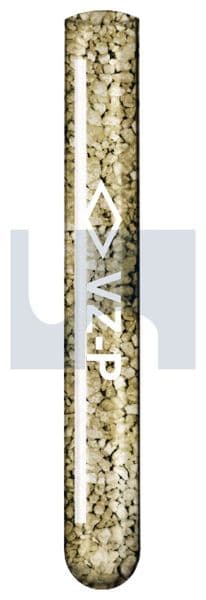
| C601 capsule (M8 to M24) | Cracked and non-cracked (Option 1) | Seismic C1 | A pre-measured capsule set by machine-driving its matching anchor rod: no gun or nozzle needed. No fire performance assessed. |
Cracked concrete, Option 1 and 7, seismic C1 and C2
- Option 1 covers cracked and non-cracked concrete, loaded in any direction. Option 7 covers non-cracked concrete only.
- Seismic C1 is for non-structural components (which can still be safety critical), tested with a 0.5mm crack. C2 is for structural components, tested with a 0.8mm crack.
- Cracked concrete and higher seismic categories reduce the load an anchor can hold, so a C2 approval does not mean the largest design loads.
- AS 5216 is the Australian standard for post-installed fastenings in concrete, referenced by the National Construction Code. Chemical anchors comply by being assessed to EAD 330499, summarised in their ETA.
Installing a chemical anchor
Not sure how much resin a job needs? Hobson's chemical volume calculator works it out from the hole size and number of holes.
- Drill the hole to the diameter and depth for the rod size in the product data sheet. Use the slow cure E701 epoxy for core-drilled holes.
- Clean the hole of all dust as set out in the product instructions: a dusty hole will not bond.
- Fit the mixing nozzle. Always use the nozzle supplied, as it mixes the resin and hardener correctly. Each cartridge comes with two.
- Pump the first resin to waste until it comes out an even colour, then fill the hole from the bottom up.
- Push the rod in with a slight twist and leave it undisturbed for the gel time, then do not load it until the cure time. Both depend on the temperature of the concrete and are printed on the cartridge.
- In hollow masonry, fill a mesh sleeve rather than the open hole. E701 epoxy is not suitable for hollow masonry.
Chemical anchors in Adelaide
Allmat supplies chemical anchors, guns, nozzles, mesh sleeves and threaded rod to builders, concreters and steel fixers across Adelaide and South Australia. Add them to a quote with the rest of your list, and we will price the lot.
Chemical anchors for concrete and masonry
XCHEM PRO chemical anchors, guns, nozzles, mesh sleeves and threaded rod are available to order from Allmat for builders, concreters, steel fixers and trade across Adelaide and South Australia. Order through Allmat, we pick and pack it, then click and collect from the Allmat yard or have it delivered to site.
Goes with
Questions
What is chemset?
Chemset is a common name for chemical anchor resin: a two-part adhesive injected into a drilled hole to bond threaded rod, anchor studs or rebar into concrete or masonry.
Epoxy or vinylester chemical anchor?
E701 epoxy for the heaviest loads, seismic C2, rebar and core-drilled holes. V401 vinylester for high performance in cracked concrete with a faster cure, and masonry. H501 hybrid adds seismic C1 and C2 approval with a fast cure.
Can I use chemical anchors in hollow brick or block?
Yes, with a mesh sleeve and a product approved for masonry: H501 hybrid, V401 vinylester or P201 polyester. E701 epoxy is not suitable for hollow masonry.
How long do chemical anchors take to cure?
It depends on the product and the temperature of the concrete. The gel and cure times for each temperature range are printed on the cartridge. Fast cure H501 hybrid is often preferred in cold weather.
Do I need the special nozzle?
Yes. The nozzle mixes the resin and hardener correctly; without it the anchor will not reach its rated load or cure properly. Each cartridge includes two nozzles, and more are sold separately.
Do these chemical anchors comply with AS 5216?
Yes. The XCHEM PRO range is assessed to EAD 330499 with European Technical Assessments, which is how chemical anchors comply with AS 5216 and the National Construction Code. Design to the ETA values for the product.
How long does a chemical anchor last?
The design life is 50 to 100 years depending on the product and its ETA. E701 epoxy and V401 vinylester carry a 100-year working life approval.
Where can I buy chemical anchors in Adelaide?
Order through Allmat. Order ahead by phone on 1300 03 03 63 or send your list for a quote, then click and collect from 25 Kapara Road, Gillman, or have them delivered to site.
Chemical Anchors (Chemset-Style): sizes and finishes we supply
14 lines by type and finish. Pick one above for its product code and pack sizes.
| Resin | Cartridge | Sizes | Lengths | Lines |
|---|---|---|---|---|
| C601 capsule VZ-P | Epoxy-acrylate | M8, M10, M12, M16, M20, M24 | 85, 90, 95, 145, 190 | 6 |
| E701 pure epoxy | 585 ML cartridge | 585 ml | - | 1 |
| H501 hybrid | 300 ML cartridge | 300 ml | - | 1 |
| H501 hybrid | 420 ML cartridge | 420 ml | - | 1 |
| P201 polyester | 300 ML cartridge | 300 ml | - | 1 |
| P201 polyester | 420 ML cartridge | 420 ml | - | 1 |
| V401 vinylester | 300 ML cartridge | 300 ml | - | 1 |
| V401 vinylester | 420 ML cartridge | 420 ml | - | 1 |
| Polyester mortar (MIT-SP) | Mortar Styrene Free | 400 ml | - | 1 |
Data sheets and documents
The documents for the product you choose are listed with the selector above. Here is every Chemical Anchors (Chemset-Style) document from Hobson Engineering.
All Chemical Anchors (Chemset-Style) documents (44)
Data sheets and technical data (10)
- Mungo MIT-SP Polyester
- Mungo MIT-SP Polyester - Summary Data Sheet
- Chemical Volume Calculator
- E701 XCHEM PRO Epoxy 585 ml
- H501 XCHEM PRO Hybrid 300 / 420 ml
- P201 XCHEM PRO Polyester 300 / 420 ml
- V401 XCHEM PRO Vinylester 300 / 420 ml
- Dictionary of Fastening Technology
- Mungo Definitions
- XCHEM PRO Chemical Chart - A1 Poster
Standards (1)
Approvals (ETA, DoP) (14)
- Mungo MIT-SP ETAG 029 - 33
- DOC 10043 Hobson C601 Capsule XCHEM PRO
- DOC 0514 E701 XCHEM Pure Epoxy - Option 1 / C1 / C2
- DOC 0515 E701 XCHEM Pure Epoxy - Rebar / Fire Resistant
- DOC 0512 H501 XCHEM Hybrid - Masonry
- DOC 0513 H501 XCHEM Hybrid - Option 1 / C1 / C2
- Mungo MIT-SP Option 7 - 32
- DOC 0508 P201 XCHEM Polyester - Masonry
- DOC 0509 P201 XCHEM Polyester - Option 7
- DOC 0507 V401 XCHEM Vinylester - Option 1
- DOC 0504 V401 XCHEM Vinylester - Masonry
- DOC 0506 V401 XCHEM Vinylester - Rebar / Fire Resistant
- Mungo DoP MIT-SP ETAG 029
- Mungo DoP MIT-SP Option 7
Safety data sheets (6)
Did You Know flyers (6)
Need them in bulk?
Add the sizes you need to your quote, or send us your list and we’ll price the lot and supply it with the rest of your order.
Browse all adhesives & chemicals