
304 vs 316 Stainless
Quick answer
304 vs 316: the short answer
316 stainless is 304 with molybdenum added, which gives it better resistance to pitting and crevice corrosion in salty conditions; the two grades share virtually the same strength and working characteristics. On bolt heads, 304 is stamped A2 and 316 is stamped A4. For general outdoor work away from the sea, 304 does the job. Near the coast, and anywhere within 2m of a pool, choose 316. Neither grade is made to sit in seawater.
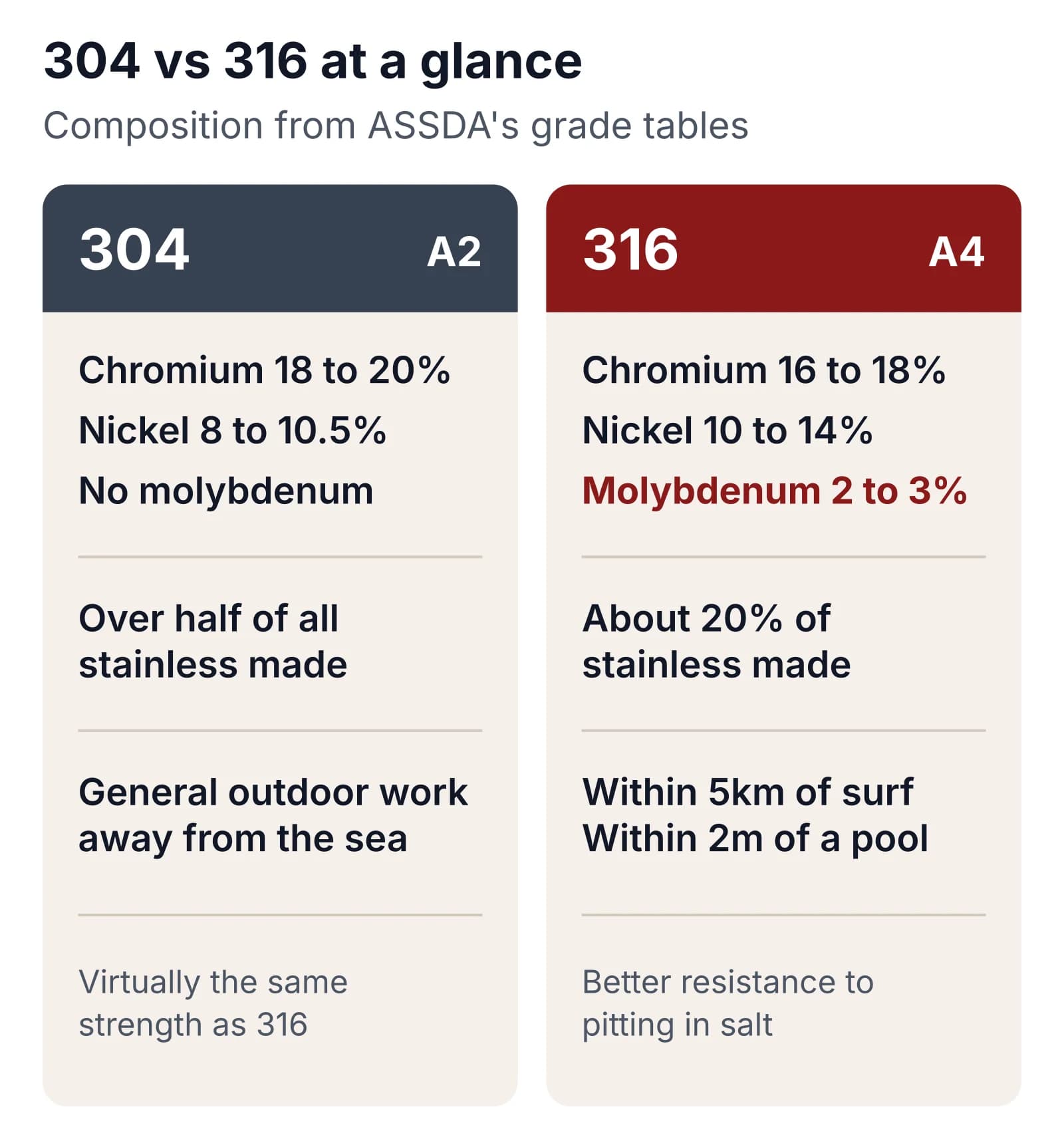
Figures per ASSDA and the manufacturer's stainless documents. The two grades have virtually the same mechanical properties.
304 vs 316, feature by feature
| Feature | 304 (A2) | 316 (A4) |
|---|---|---|
| Contains molybdenum | ✗ | ✓ |
| Stamped A2 (ISO 3506) | ✓ | ✗ |
| Stamped A4 (ISO 3506) | ✗ | ✓ |
| Listed for exposed connectors (manufacturer's corrosion guide) | ✓ | ✓ |
| Pool splash zone, within 2m of the edge | ✗ | ✓ |
| ASSDA minimum within 5km of surf | ✗ | ✓ |
| Made for seawater immersion | ✗ | ✗ |
Stainless steel grades: what makes 316 different
ASSDA tells the story in its article republished by the manufacturer: within 30 years of stainless being invented, the accepted chromium level for good corrosion resistance settled at about 18%, and 304 was born. Then stainless moved to the seaside and corroded, which led to 316, made by adding molybdenum.
304 is by far the most common stainless, more than half of all stainless steel produced; 316 is the second most popular, at about 20%.
ASSDA calls 316 the first step up from 304: its main advantage is its increased ability to resist pitting and crevice corrosion in warm chloride environments.
ASSDA's composition tables show the difference: 304 has 18 to 20% chromium and 8 to 10.5% nickel with no molybdenum; 316 has 16 to 18% chromium, 10 to 14% nickel and 2 to 3% molybdenum.
Ranking grades: the PRE number
ASSDA also gives a way to rank grades, the Pitting Resistance Equivalent (PRE). Molybdenum carries a large weight in the formula, which is why 316 does better near the sea: on the table figures above, 304 works out at about 18 to 20 and 316 at about 22.6 to 27.9, before any nitrogen is counted.
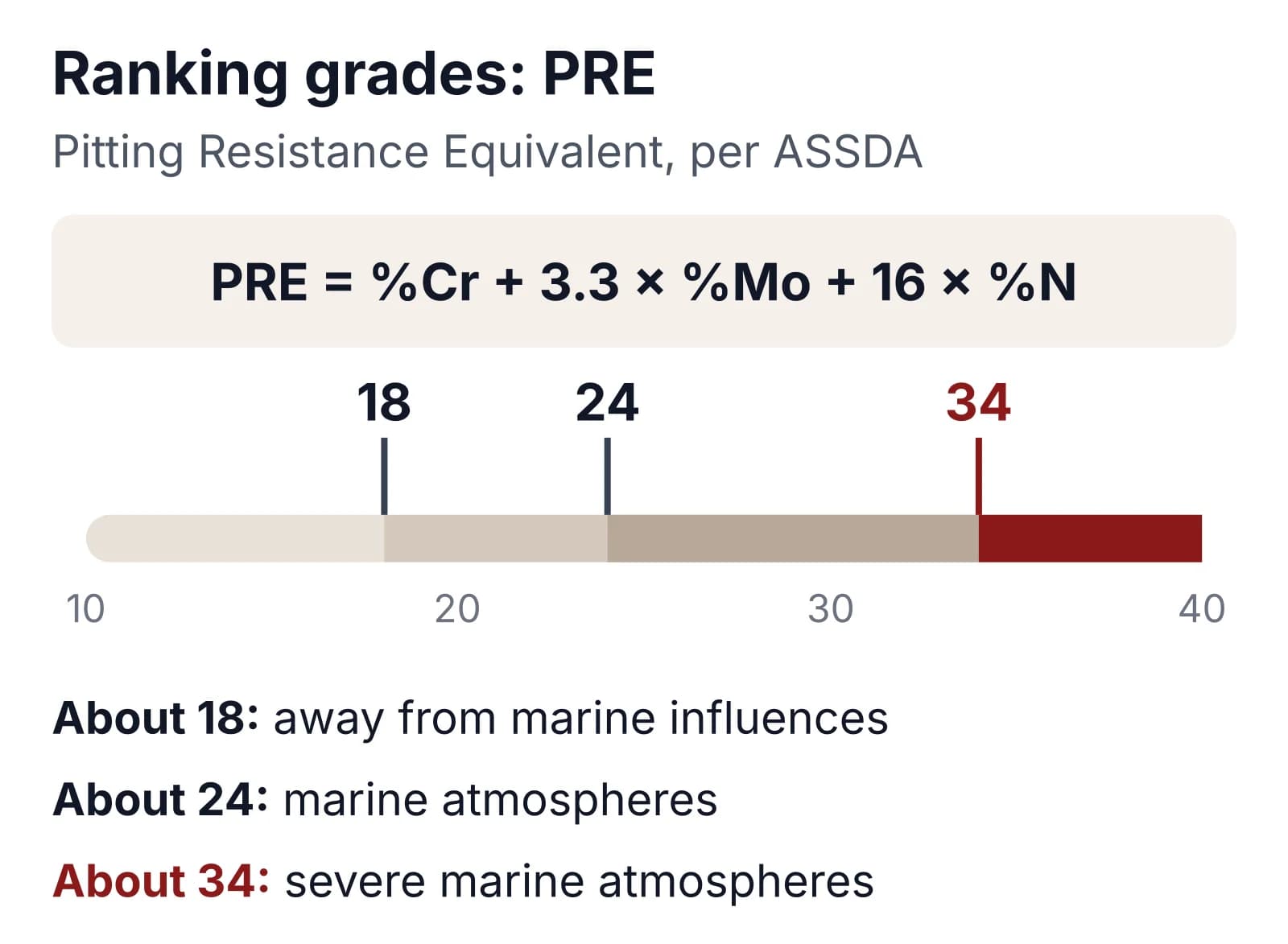
Per ASSDA: a PRE of about 18 is typically adequate away from marine influences, about 24 is needed for marine atmospheres, and severe marine atmospheres may need about 34.
One myth to drop: nickel content does not decide corrosion resistance. ASSDA says nickel affects the microstructure of the steel, not its resistance to corrosion starting.
A2 and A4 stainless: the stamp on the head
Stainless fasteners made to ISO 3506 carry a designation instead of a grade number: 304 falls in A2 and 316 in A4.
The manufacturer marks most items in its stainless hardware range with both, for example "316 stainless steel A4".
The number after the dash is the property class. Read the class as well as the letter: an A4-80 bolt and an A4-70 bolt are the same grade of steel at different strengths.
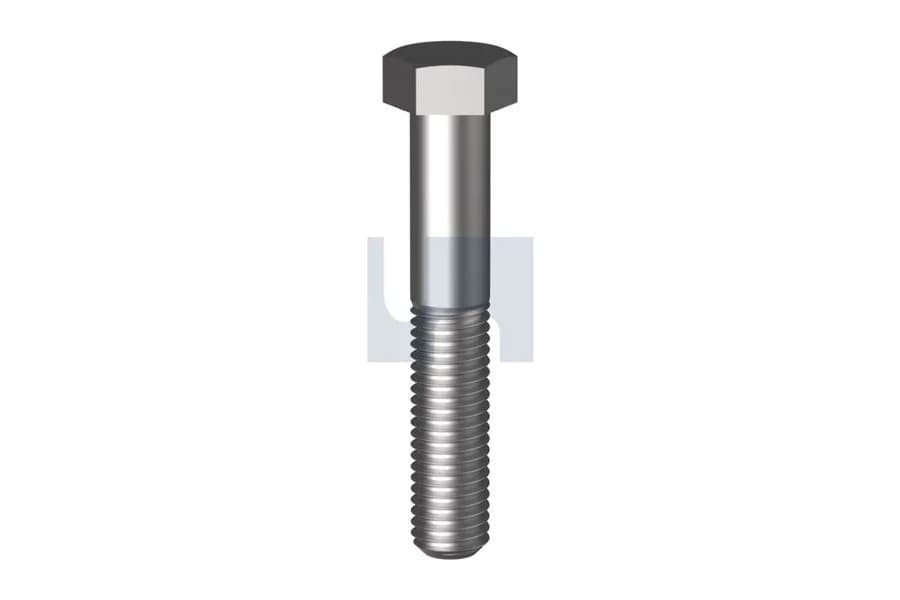
A4 property classes
From the manufacturer's head-marking table. That table describes the A4 class as austenitic steel with 16 to 18.5% chromium and 10 to 15% nickel: the fastener class range, a little wider than the 316 grade table above.
A4-50
M20 to M48. Minimum yield 210 MPa, minimum tensile 500 MPa.
A4-70
M6 to M20. Minimum yield 450 MPa, minimum tensile 700 MPa.
A4-80
The table covers M6 to M36. Minimum yield 600 MPa, minimum tensile 800 MPa.
A4-80 hex bolts, M12A4-100
We also carry A4-100 hex bolts, M6 to M20. The manufacturer's head-marking table has no A4-100 row, so no strength figures are quoted here.
A4-100 hex boltsWhere 304 is fine and where you need 316
The manufacturer's corrosion guide lists "stainless steel 304 or 316" for sheltered and exposed connectors in the low, coastal, industrial and seaspray zones.
It calls for 316 only in the pool splash zone, within 2m of a pool edge, whether the fixing is enclosed, sheltered or exposed.
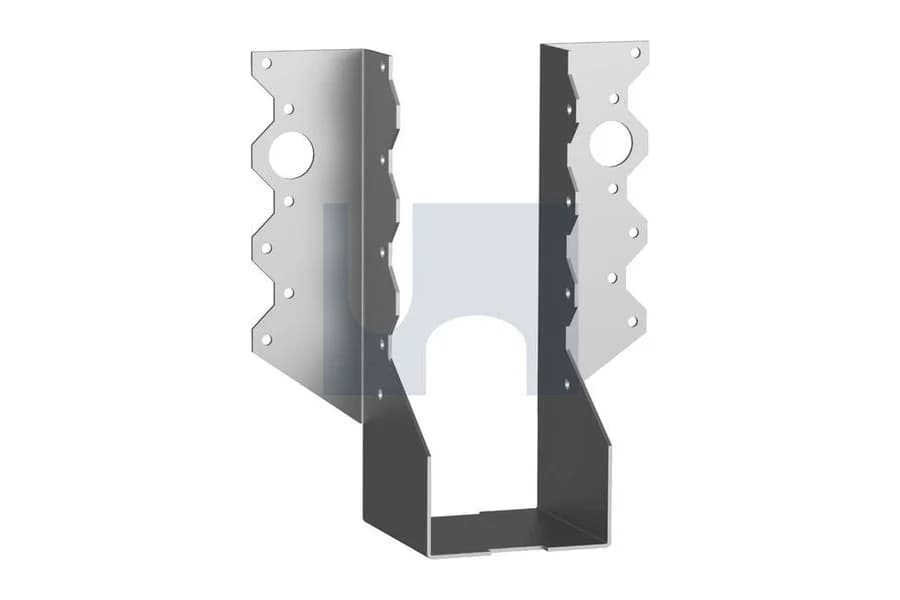
ASSDA looks at it from the appearance side. Brown tea staining is most likely within about 5km of a surf beach and 1km of still marine waters, and it can reach 20km or more with wind, pollution and heat.
ASSDA recommends 316, or a grade with equivalent corrosion resistance, as a minimum within 5km of the surf, and says lower grades such as 304 will probably tea stain or corrode more severely in a marine environment.
So near the sea, 304 is about appearance and upkeep as much as strength. For the distances that set each corrosion zone, see fastener finishes and corrosion zones.
"Marine grade" is not "seawater grade"
316 is often called marine grade. ASSDA explains what that really means: provided it has a good finish and is washed by rain or properly maintained, 316 will stay bright near the sea. It does not mean 316 can go in the sea.
Seawater has about 20 times the chloride level 316 can withstand, and it is worse where the surface is rough or there is a crevice, such as between a nut and a bolt.
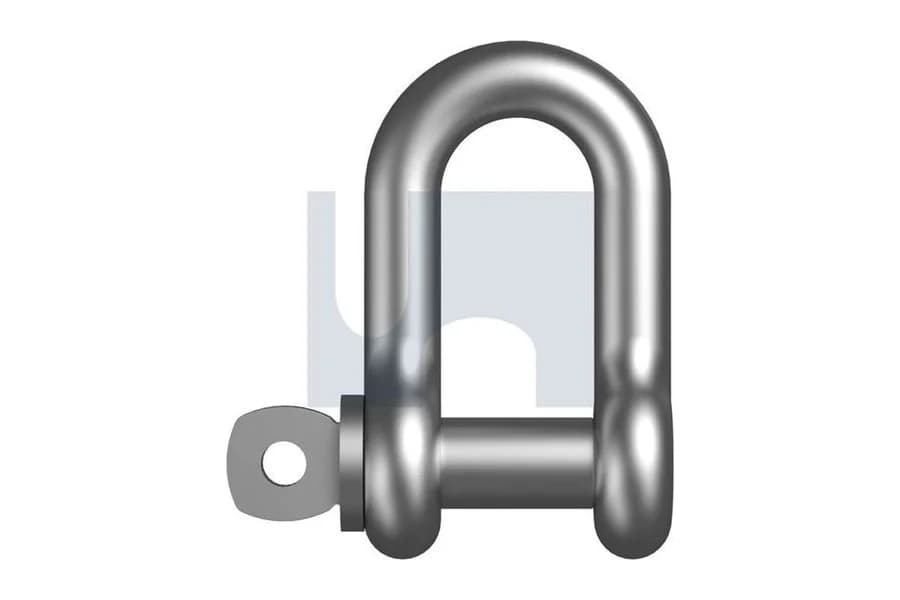
In seawater 316 will rust, especially around hard fouling or crevices, and even under deposits in the splash zone. In severe coastal settings where salty spray builds up over time, 316 can visibly corrode. Grades made for seawater are the super austenitic and super duplex stainless steels.
Specifying stainless for a coastal or pool job? Contact us with the list and we will check every bolt, nut and fitting is in the grade you need.
Strength: stainless vs 8.8 high tensile
The manufacturer's head-marking table sets the stainless classes beside the steel bolt classes.
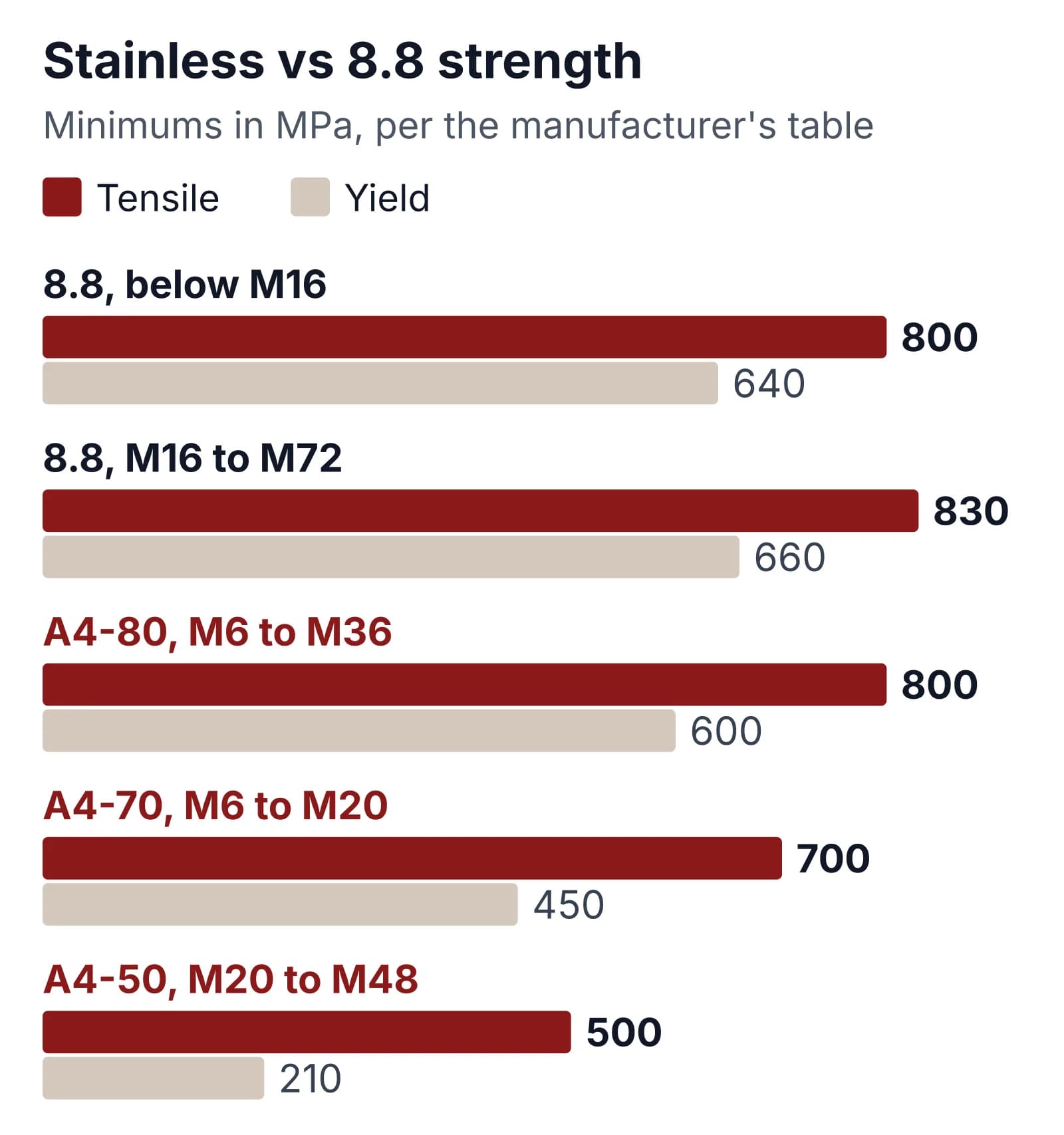
Minimum yield and tensile strength by class, per the manufacturer's head-marking table.
On those figures an A4-80 bolt matches the minimum tensile of an 8.8 bolt below M16 but has a lower minimum yield, and A4-70 is lower on both.
Swapping a grade on a structural connection is the designer's call, not a like-for-like change.
In both 304 and 316
Common stainless fasteners that come in either grade.
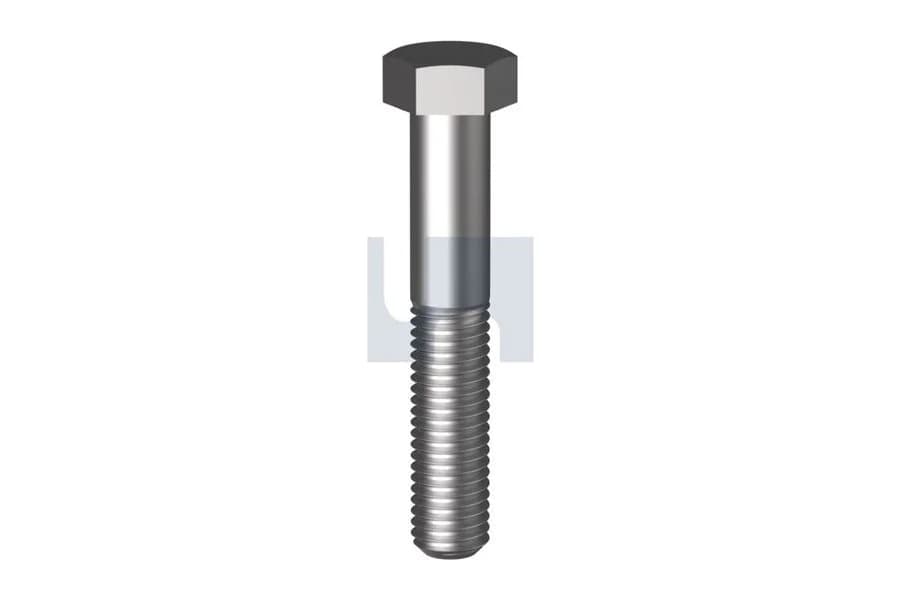
Stainless steel bolts
Hex bolts and set screws, A2 and A4. Shown: 304 (A2); the 316 range is on the same page.
See the 304 range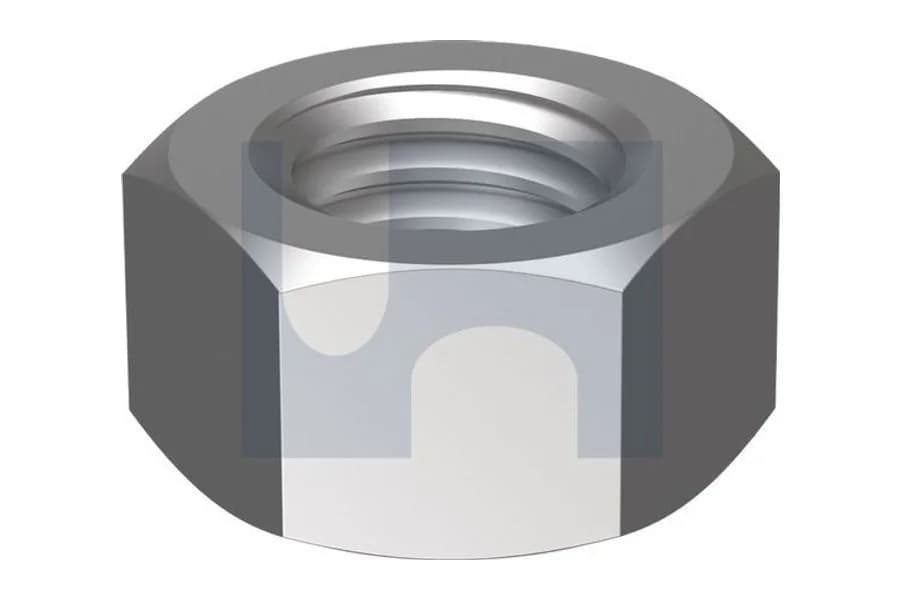
Stainless steel nuts
Hex nuts in 304 and 316. Shown: 316.
See the 316 range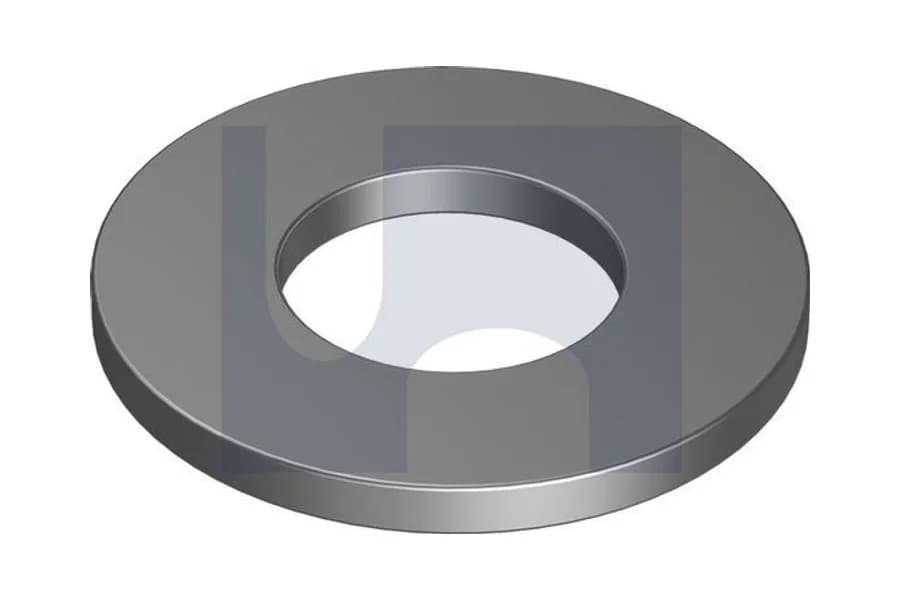
Stainless steel washers
Flat washers in 304 and 316. Shown: 316.
See the 316 range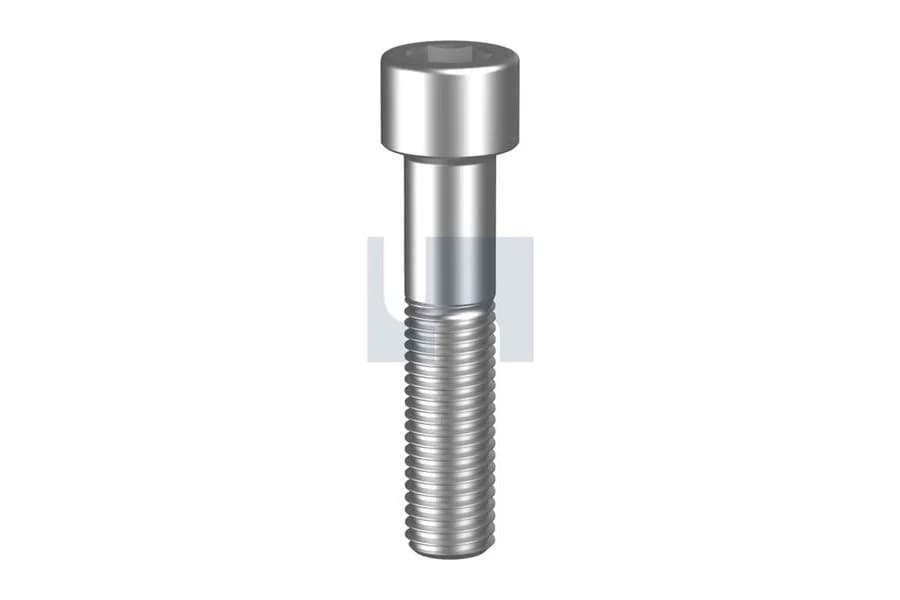
Socket cap screws
Stainless socket cap screws in 304 and 316. Shown: 316.
See the 316 range316 (A4) only
Ranges that come in 316 only.
Which of our stainless ranges are 304 and which are 316
The main ranges, from the manufacturer's product guides and the grade shown on each of our product pages. Other ranges, such as anchors, threaded rod, U-bolts and eye bolts, show their stainless grade on each product page.
In both 304 and 316: stainless steel bolts, stainless steel nuts, nyloc nuts, stainless steel washers, socket cap screws, stainless self tapping screws, stainless coach bolts, stainless steel cable ties and stainless shackles. Hatch hinges also come in both grades, and stainless sleeve anchors come in 316 (standard and flush heads) and as a 304 security dome head.
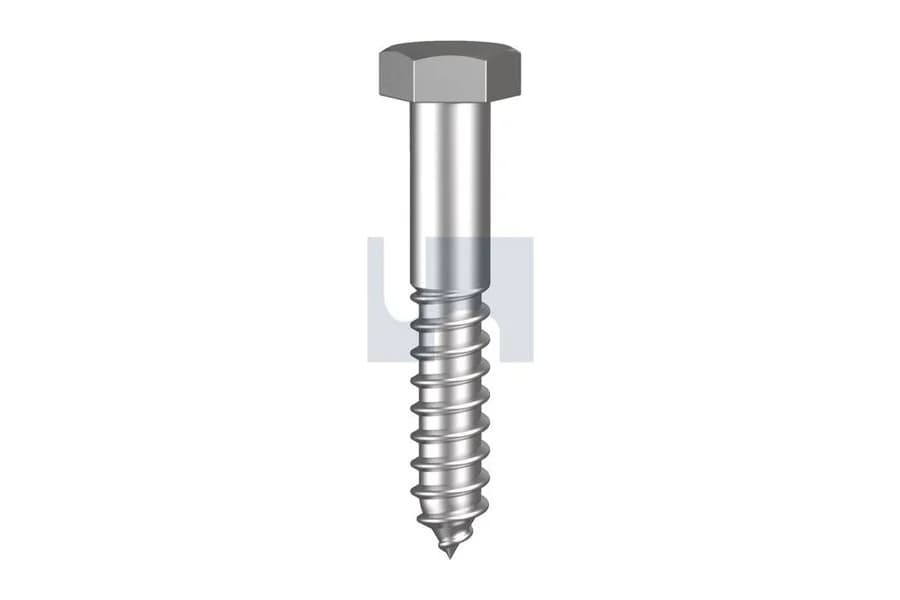
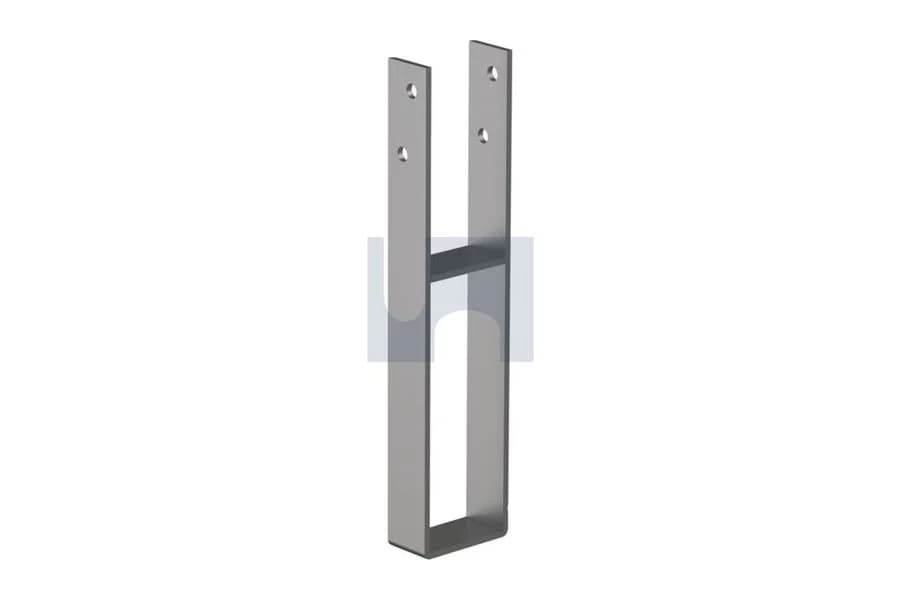
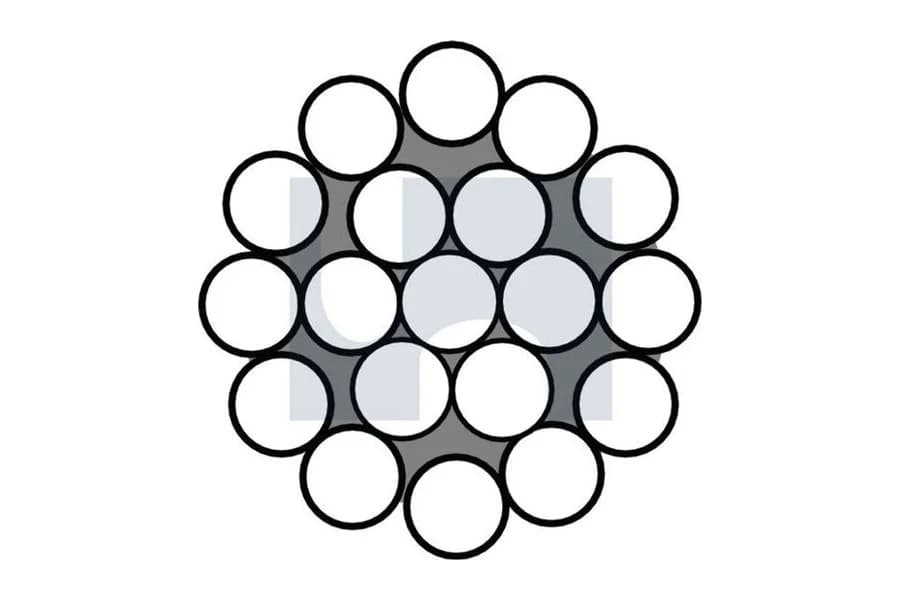
316 (A4) only: stainless coach screws, stainless post supports, stainless joist hangers, stainless triple grips, stainless wire rope, swage terminals, stainless turnbuckles and stainless chain, plus the snap hooks, swivels and other fittings on our stainless rigging hardware page.
Type 17 screws come in both grades, by head: the self-embedding head decking screws (square drive) come in 304 in 10g (40 to 75mm) and 12g (50 to 100mm), and in 316 in 10g (40 to 75mm) and 12g (130 and 150mm). Bugle batten and flange hex heads also come in both grades. Square drive bugle, button, seal hex and wafer heads are 316 only; countersunk, pan and trim heads are 304 only.
304 (A2) only: butt, piano and flush stainless hinges; pad eyes, eye straps and cross connectors; S hooks; wire rope thimbles; balustrade tensioner heads; and the bi-metal roofing screws.
Mixing grades and galling
Galling is the cold welding of clean stainless surfaces under load: a nut seizes on its bolt.
What ASSDA says makes galling worse:
Galling risk factors
- Fine threads
- Tight clearances
- Poor thread profiles
- No lubrication
- Dirt
- Over-tightening
A 316 nut on a 304 bolt is sometimes offered as the fix. ASSDA calls this a myth: it may work, but galling control depends on hardness, design, quality control, lubrication and friction, not material choice alone.
ASSDA notes that 304 bolts in a 316 panel immersed in tap water show no galvanic effect. What a mixed assembly does do is put 304 at that spot, with 304's corrosion resistance. Near the sea, where 316 is the grade to use, order the bolt, nut and washer all in 316.
For why stainless can still stain or rust, see does stainless steel rust?.
Where to next
Order your stainless fasteners and fittings through Allmat: we pick and pack it, then you click and collect from the Allmat yard or we deliver to site, with the timber and the rest of your order.
304 and 316 stainless questions
316 has molybdenum added, which gives it better corrosion resistance, particularly to pitting and crevice corrosion in salty (chloride) conditions. Otherwise the two grades have virtually the same mechanical, physical and fabrication characteristics, according to the Australian Stainless Steel Development Association (ASSDA).
316 is often called marine grade, but ASSDA explains that this only means it will stay bright near the sea if it has a good finish and is washed by rain or maintained. It is not made for seawater: seawater has about 20 times the chloride level 316 can withstand, and 316 will rust in seawater, especially in crevices such as a nut and bolt.
They are the stainless designations for fasteners made to ISO 3506: 304 falls in A2 and 316 in A4. The number after the dash is the property class, for example A4-70 or A4-80, which sets the minimum strength.
A low carbon version of 316, often used to avoid sensitisation corrosion in welded components. ASSDA says that without heavy section welding or high temperature exposure, the corrosion resistance of 316 and 316L is usually identical.
It is the 304 family. ASSDA notes that the 18/8 or 18/10 stamp you see on cutlery is the telltale sign of 304 stainless. ASSDA's composition table for 304 gives 18 to 20% chromium and 8 to 10.5% nickel.
Not as a grade: ASSDA describes their mechanical properties as virtually the same. For bolts and screws, strength comes from the property class stamped on the head, such as A4-70 or A4-80, so compare the class, not the grade.
Not reliably, and it says nothing about corrosion resistance. ASSDA explains that both 304 and 316 are generally non-magnetic when annealed but can become attracted to a magnet after cold working, most often noticed in heavily cold worked items such as wire; the effect is less marked in alloys with more nickel, such as 316. Magnetism is not related to corrosion resistance.
No. The stainless shackles and fittings in our rigging range are general hardware with no working load limit. For lifting, use rated lifting shackles marked with their WLL. See our guide to WLL, SWL and breaking load.
Sources
Facts in this guide come from the manufacturer's documents and the Australian Stainless Steel Development Association (ASSDA).
Common Misconceptions About Stainless Steel (ASSDA, republished by Hobson)
High-Tensile and Stainless Head Markings
Hobson Stainless Hardware Product Guide
Corrosion Resistance of Metal Connectors
ASSDA: 304, the place to start
ASSDA: 316, the first step up
ASSDA: Questions of carbon
ASSDA: Preventing coastal corrosion (tea staining)
ASSDA: FAQ 8, general corrosion resistance
ASSDA: Magnetic effects of stainless steels
Get the Right Stainless for Your Job
Send us your list and where it is going, and we will match every bolt, nut and fitting to the grade you need.