
Stainless Steel Rust
Quick answer
Does stainless steel rust?
Yes, it can. The usual causes are carbon steel contamination (rust within days or weeks) or the wrong grade for the setting (rust that takes longer to start). Crevices, rough surfaces and no washing make both worse. A magnet will not tell you which grade will rust; regular washing keeps stainless bright.
Why stainless can rust
Stainless steel resists corrosion because of a thin, self-repairing oxide film on its surface. As long as there is enough oxygen to keep that film healthy, and the corrosives on the surface stay below what the grade can handle, it does not corrode.
Push past either limit and it can pit, stain and rust.
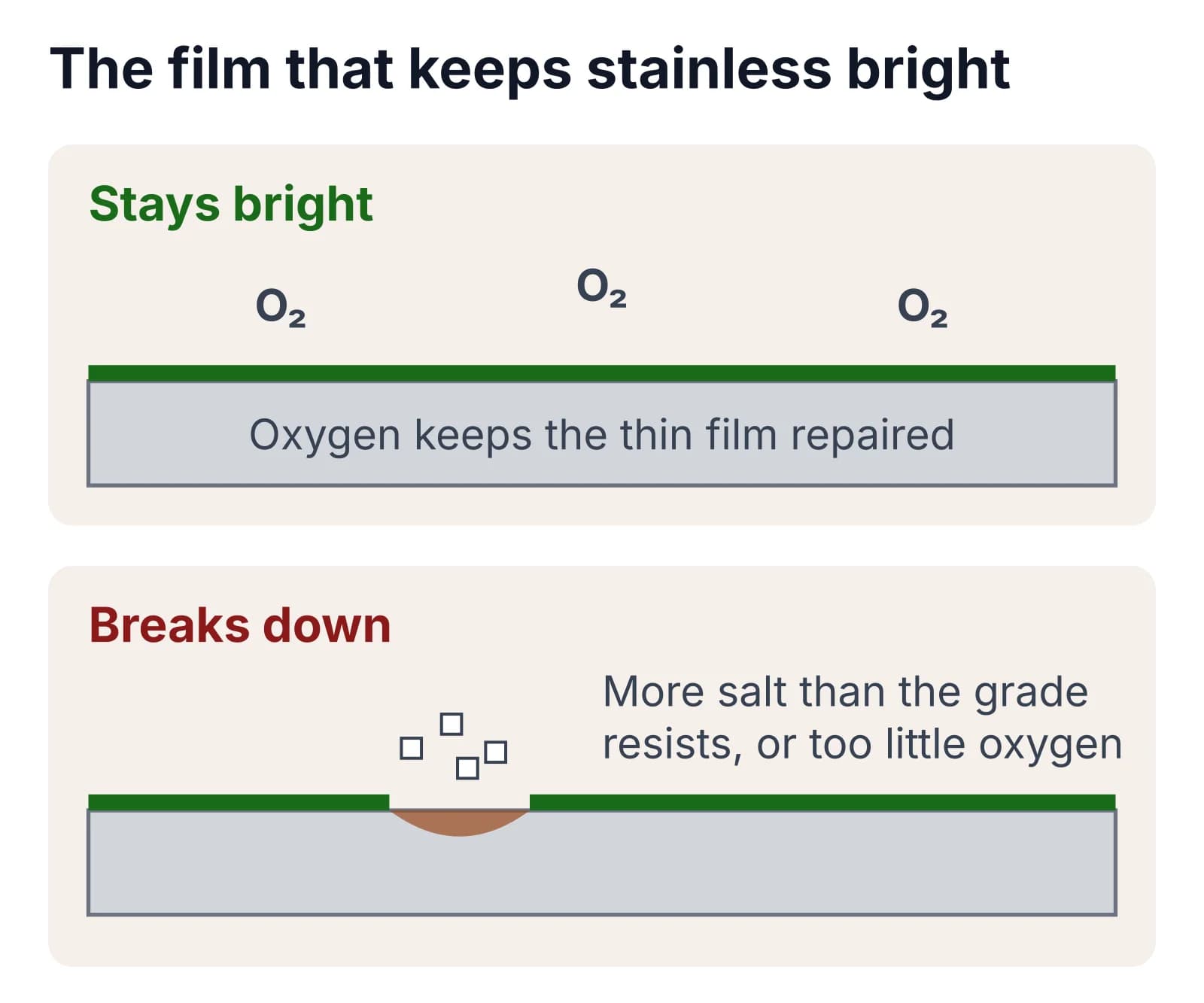
How the oxide film works, as the Australian Stainless Steel Development Association (ASSDA) explains it.
The usual culprits
ASSDA, in an article the manufacturer has republished, names the usual causes: carbon steel contamination, or the wrong grade of stainless for the setting.
Crevices, rough surfaces and a lack of washing make both worse. Here is how to tell which one you are looking at, and how to stop it.
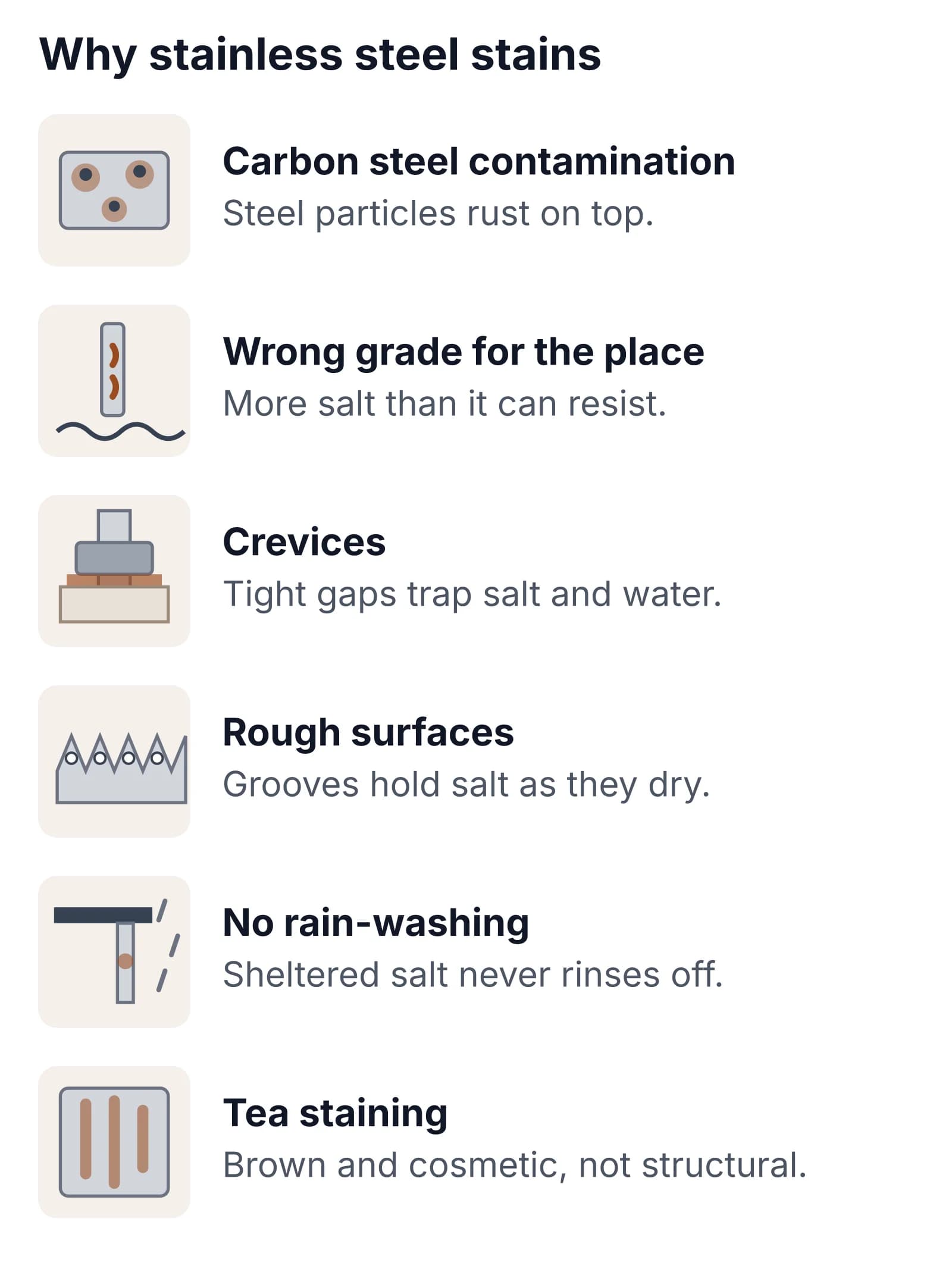
The usual causes of rust and staining on stainless steel, per ASSDA.
When did the rust appear?
| Feature | Within days or weeks | After months or longer |
|---|---|---|
| Almost certainly carbon steel contamination | ✓ | ✗ |
| Usually rough surfaces, too aggressive a setting for the grade, or no washing | ✗ | ✓ |
| Can happen to 316 as well as 304 | ✓ | ✓ |
Carbon steel contamination: rust within days or weeks
If rust shows up within a few days or weeks, ASSDA says it is almost certainly carbon steel contamination from fabrication or the local environment.
Particles of ordinary steel, such as swarf, grinding debris or steel wool fragments, sit on the stainless and rust there.
How contamination happens
From ASSDA's cleaning guidance.
Common causes
- Cleaning stainless with steel wool, which is usually carbon steel
- A scourer that has been used on ordinary steel
- Carbon steel items left in contact with stainless, particularly when wet
ASSDA also advises choosing fabricators experienced with stainless steel, because competent stainless fabricators avoid carbon steel contamination.
The wrong grade for the place
Longer-term rust usually means the setting is too aggressive for the grade. ASSDA's example is 304 posts on a wharf.
Each grade can only resist so much salt, and 316, with molybdenum added, resists more than 304. ASSDA recommends 316, or a grade with equivalent corrosion resistance, as a minimum within 5km of the surf, and says lower grades such as 304 will probably tea stain or suffer more severe corrosion in a marine environment.
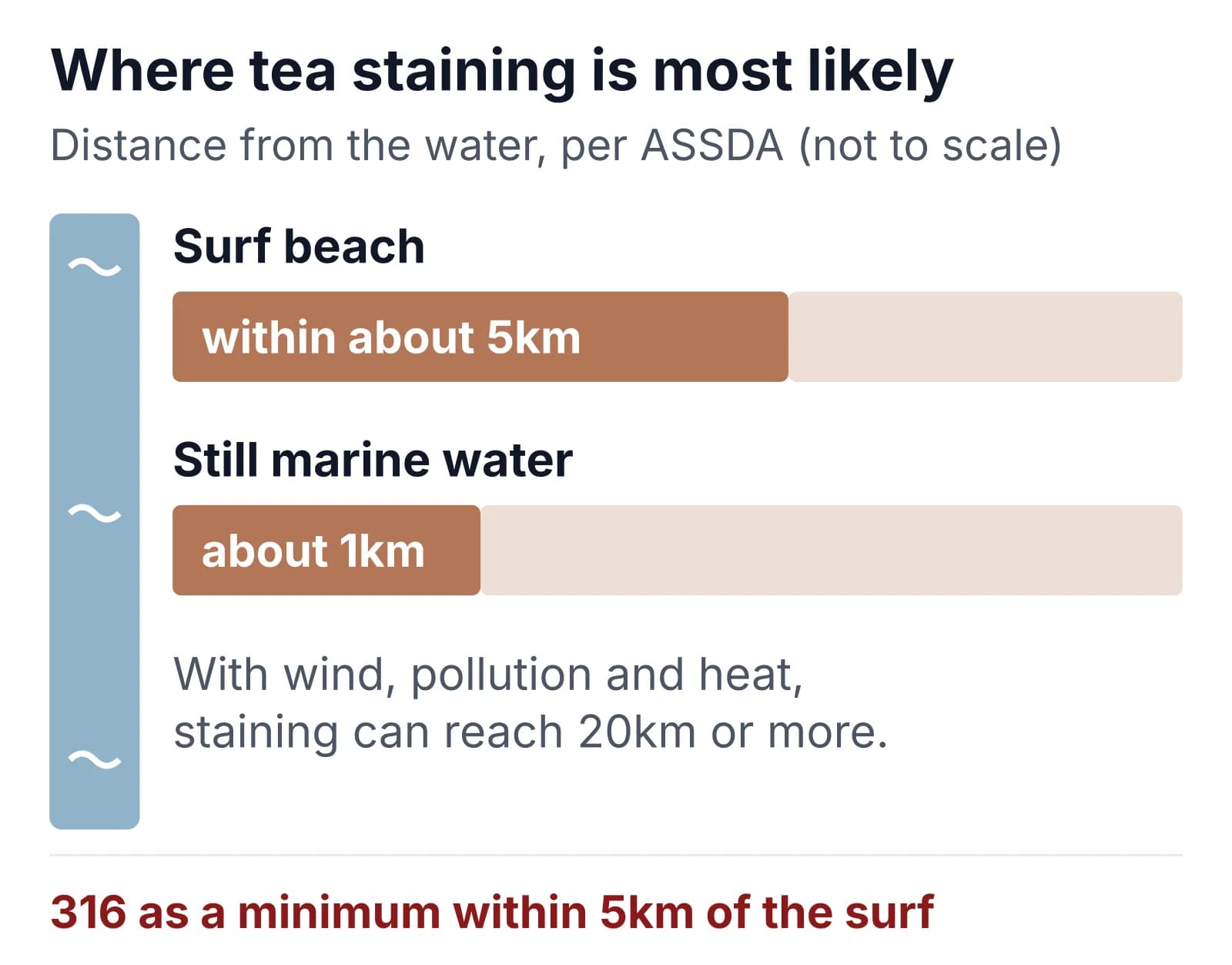
Tea staining, a brown discolouration of the surface, is most common within about 5km of a surf beach and 1km of still marine waters, per ASSDA. Not to scale.
Even 316 has a limit. Seawater has about 20 times the chloride level 316 can withstand, so 316 will rust in seawater, and in severe coastal settings where salty spray builds up over time it can visibly corrode.
Grades made for seawater are the super austenitic and super duplex stainless steels.
For the full comparison of the two grades, see 304 vs 316 stainless. Around a pool, the manufacturer's corrosion guide calls for 316 within 2m of the pool edge.
Crevices, rough surfaces and no rain-washing
The same grade can stay bright in one spot and stain in another a metre away. ASSDA points to three things.
Crevices
Tight gaps trap water and salt and starve the surface of oxygen. A nut and bolt is a crevice, and so are intermittent welds and spots under deposits.
Rough surfaces
Deep grooves trap salt, which concentrates as the surface dries. ASSDA gives a critical roughness of about 0.5 µm Ra for cut or abraded surfaces: smoother is much less prone to corrosion.
No rain-washing
Rain-sheltered spots, such as the underside of a sloping roof, downpipes under eaves or a building's rain shadow, are very aggressive: salt builds up and is never washed off. Flat surfaces that pond water are another problem spot.
The manufacturer's self-drilling screw warranty makes a similar point: crevices, sheltered zones, chemical deposits, contact between different metals and persistent wetness can materially reduce service life, beyond what the corrosion category alone suggests.
Magnetism is not a test
A magnet is often used to "check" stainless, but ASSDA is clear that magnetism is not related to corrosion resistance.
Grades 304 and 316 are virtually non-magnetic when annealed, yet both can become attracted to a magnet after cold working (316 less so), most often noticed in heavily cold worked items such as wire. Meanwhile duplex grades, which resist seawater better than 316, are strongly magnetic.
What a magnet tells you
| Feature | 304 and 316 | Duplex |
|---|---|---|
| Virtually non-magnetic when annealed | ✓ | ✗ |
| Strongly magnetic | ✗ | ✓ |
| Magnetism shows how well it resists rust | ✗ | ✗ |
How to keep stainless bright
Washing removes the salt deposits that cause staining. Rain does it on open surfaces; where rain does not reach, it is up to you.
How often to wash
ASSDA: wash the stainless whenever the area around it is cleaned (as a guide, when a window needs washing). Where that does not happen, its table for 304 near the sea, in industrial and in severe urban areas:
Washed by rain: once a year
Roofs and walls the rain reaches: about once a year, with or without deposits.
Out of the rain: 3 to 4 times a year
Eaves, soffits and under-eave walls the rain never reaches, with no deposits building up.
Out of the rain, deposits: 4 to 12 times a year
The same sheltered spots where deposits accumulate. ASSDA adds that its listing does not mean 304 is recommended for marine settings.
For the manufacturer's self-drilling screws, the warranty sets its own condition: the screws and the surfaces around them washed with fresh water at least every six months in ISO 9223 categories C2 to C3, and at least every three months in C4 to C5.
Routine cleaning
ASSDA's routine cleaning advice.
Do
- Use plenty of water and a mild detergent
- Use a cloth or soft brush
- Follow the direction of the polish on brushed stainless
- Rinse with clean water and wipe dry
- Wash cement and mortar splashes off before they set
Do not
- Use steel wool
- Use hydrochloric acid
- Use brick cleaning liquids containing hydrochloric acid
ASSDA says hydrochloric acid will stain the surface and usually start more serious corrosion.
Replacing rusty "stainless" fixings? Contact us with where they are going, and we will match the grade to the setting.
How to remove rust from stainless steel
ASSDA's guide to cleaning stainless steel (written for indoor stainless) steps up in stages.
Light marks
A cream cleanser on a soft damp cloth, rubbed gently with the grain, or a clean nylon scourer. Test a hidden spot first.
Stubborn rust marks
A proprietary stainless steel cleaner, usually based on phosphoric, oxalic or sulphamic acid. Handle with care and follow the maker's directions, then neutralise with a 1% ammonia or baking powder solution, rinse with clean water and wipe dry.
Rust worn into the surface
Bad rusting can be repaired with professional polishing; get expert advice.
For heavier contamination on outdoor work, ASSDA describes chemical passivation and pickling treatments that remove contamination and restore the protective surface layer. Those are specialist jobs for an experienced stainless fabricator.
Fasteners: match the bolt, nut and washer grade
Near the sea, where 316 is the grade to use, order the bolt, nut and washer all in 316: a 304 nut on a 316 bolt puts 304 at that joint. Stainless bolts are stamped A2 for 304 and A4 for 316 on the head, so the grade can be checked.
Keep ordinary steel out of the assembly too. ASSDA explains that carbon steel corrodes more rapidly when coupled to stainless steel in water, while 304 and 316 together show no galvanic effect in tap water.
For stainless connectors, use the fixings the data sheet names: the manufacturer's data sheet for its 316 joist hangers calls for 30 x 2.8mm stainless steel nails, or two M12 bolts with 50 x 3mm square washers.
Our stainless ranges
Order through Allmat: we pick and pack it, then you click and collect from the Allmat yard or we deliver to site.
Stainless steel bolts
316 hex bolts and set screws, stamped A4. The 304 (A2) range is on the same page.
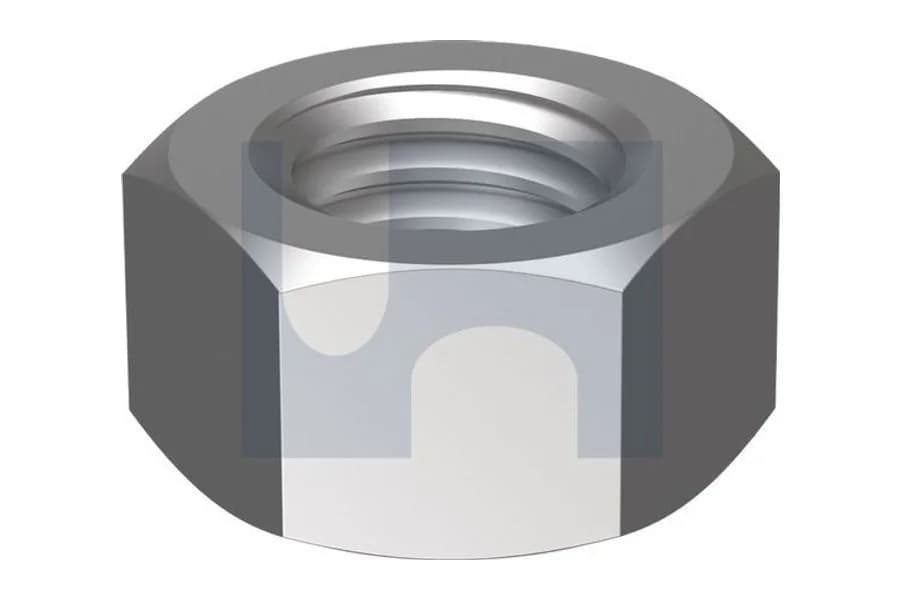
View the rangeStainless steel nuts
316 hex nuts, to match a 316 bolt.
View the range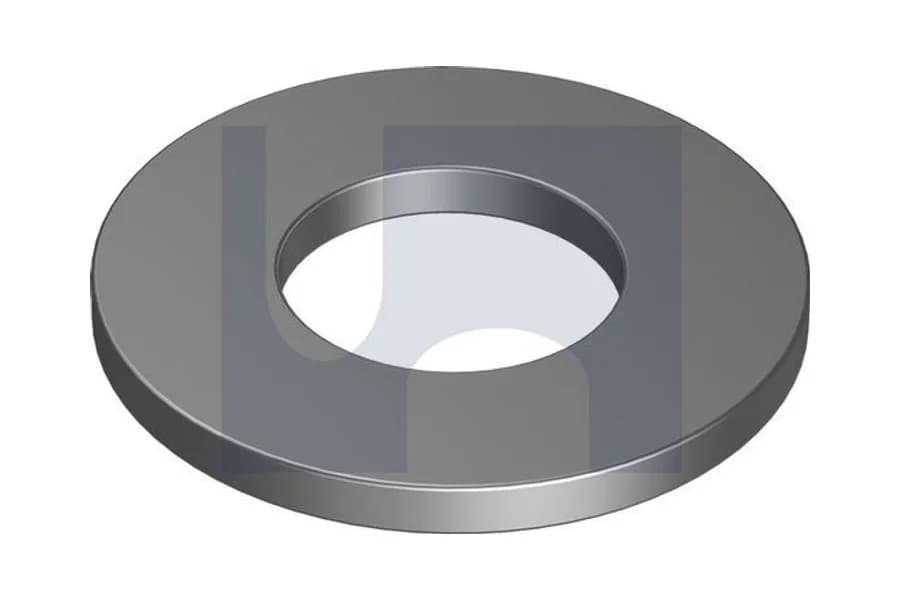
Stainless steel washers
316 flat washers, in the same grade as a 316 bolt.
View the range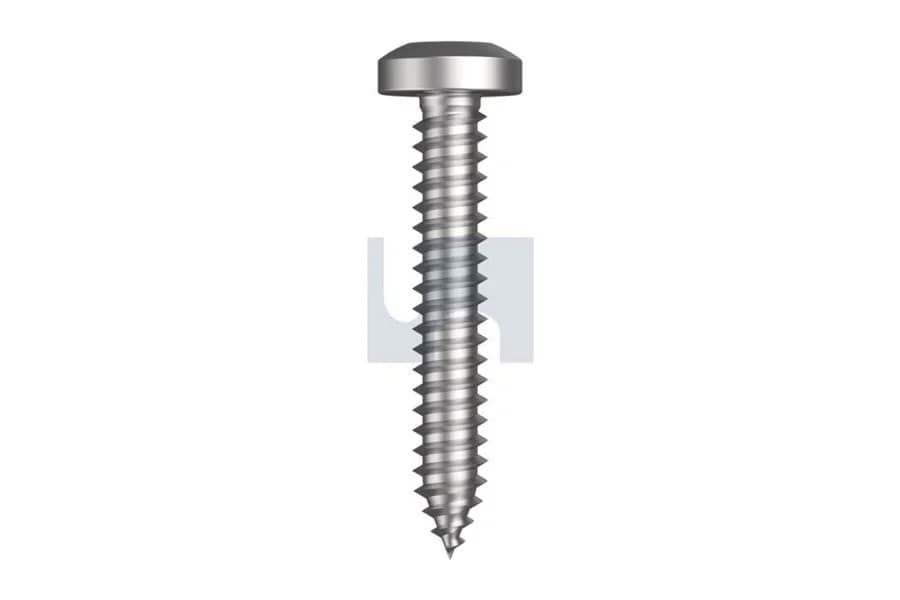
Stainless self tapping screws
316 pan and countersunk heads.
View the range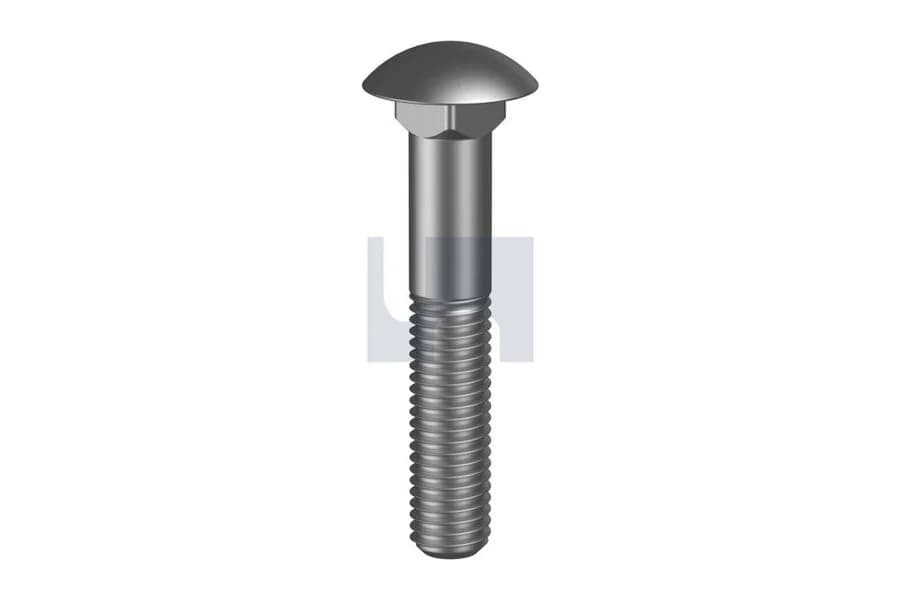
Stainless coach bolts
316 cup head bolts for timber.
View the range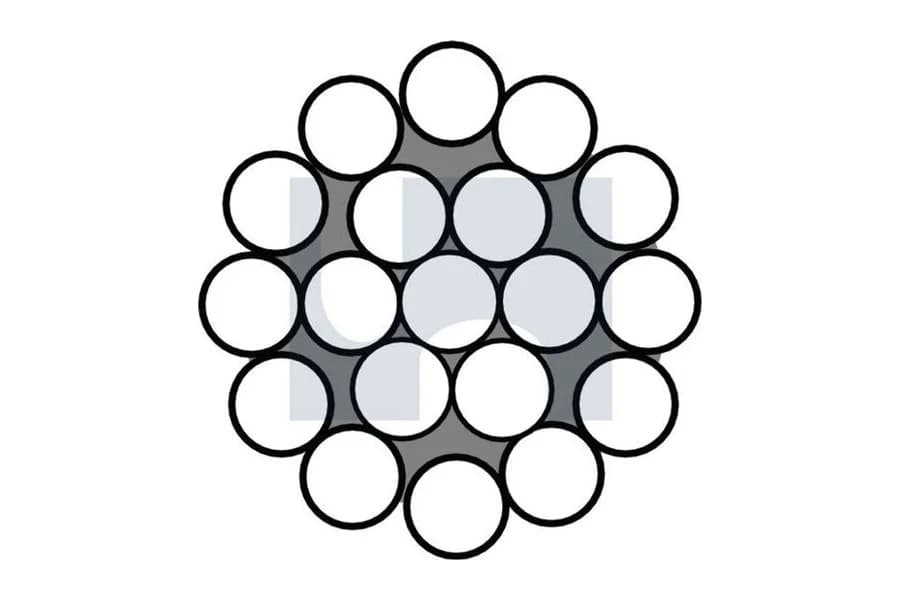
Stainless wire rope
316 wire rope for balustrades and rigging.
View the range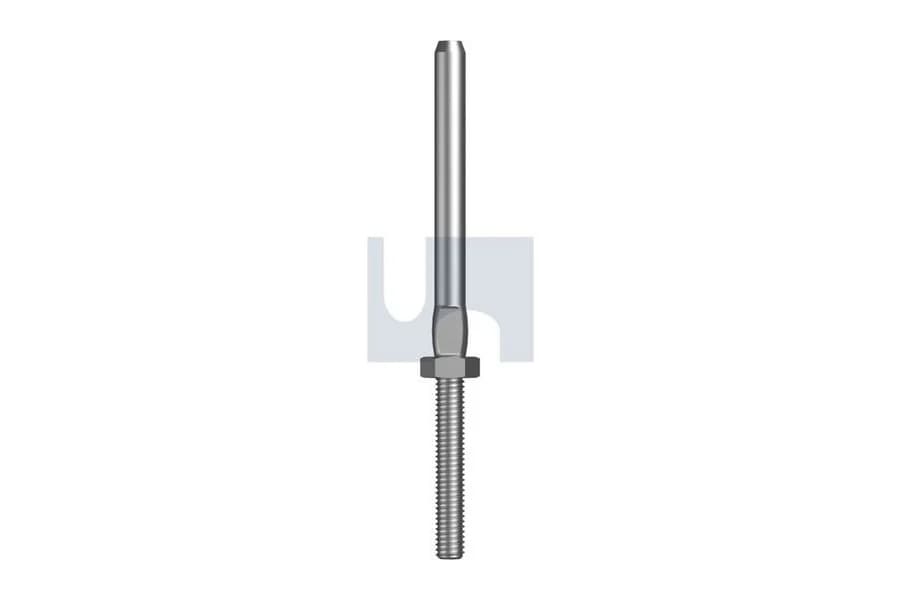
Swage terminals
316 terminals for wire rope.
View the range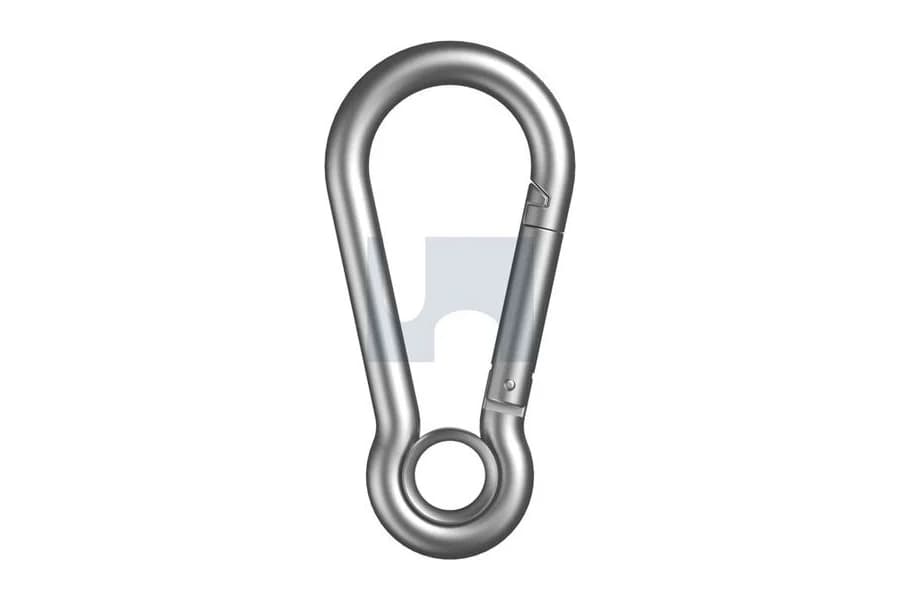
Stainless rigging hardware
316 snap hooks, swivels and fittings.
View the rangeFor galvanised and coated fasteners, see fastener finishes and corrosion zones.
Stainless steel rust questions
It can. Stainless steel resists corrosion because of a thin, self-repairing oxide film on its surface. If there are more corrosives on the surface, such as salt, than the grade can resist, or not enough oxygen to keep the film healthy, it corrodes. The usual reasons for rust on stainless are carbon steel contamination or the wrong grade for the setting.
Look at when it started. According to the Australian Stainless Steel Development Association (ASSDA), rust within a few days or weeks is almost certainly carbon steel contamination from fabrication or the local environment. Rust that takes longer usually comes from surfaces that are too rough, an environment too aggressive for the grade, or a lack of washing.
It can. 316 resists salt better than 304, but ASSDA says it will rust in seawater, especially in crevices such as a nut and bolt, and that in severe coastal settings where salty spray builds up over time, 316 can visibly corrode. Regular washing keeps it bright.
ASSDA's cleaning advice: try a cream cleanser on a soft damp cloth, rubbing with the grain. If that fails, a proprietary stainless steel cleaner may be needed; these are usually based on phosphoric, oxalic or sulphamic acid, so follow the maker's directions, then neutralise with a 1% ammonia or baking powder solution, rinse with clean water and wipe dry. Where rust has worn into the surface, get expert advice on professional polishing.
No. ASSDA says never to use steel wool on stainless: it is usually carbon steel, and any fragments left behind will rust onto the surface. The same goes for any scourer that has been used on ordinary steel. Use a clean nylon scourer or a soft cloth.
Some is. Grades 304 and 316 are virtually non-magnetic when annealed, but both can become attracted to a magnet after cold working, 316 less so because of its higher nickel. Ferritic, martensitic and duplex stainless steels are strongly magnetic. ASSDA is clear that magnetism is not related to corrosion resistance, so a magnet cannot tell you whether stainless will rust.
Tea staining is a brown discolouration of the surface caused by corrosion. ASSDA describes it as a cosmetic issue that does not affect the structural integrity or life of the material. It is most common within about 5km of a surf beach and 1km of still marine waters, and worse on rough, rain-sheltered surfaces.
ASSDA's guide is to wash the stainless whenever the surrounding area is cleaned, for example when a window needs washing. Where that does not happen, its table for 304 in seaside, industrial and severe urban areas is once a year for surfaces washed by rain, 3 to 4 times a year for eaves, soffits and other spots rain never reaches, and 4 to 12 times a year where deposits build up there. Separately, the manufacturer's self-drilling screw warranty requires those screws and the surfaces around them to be washed at least every six months in categories C2 to C3 and every three months in C4 to C5, as a condition of the warranty.
Sources
Common Misconceptions About Stainless Steel (ASSDA, republished by the manufacturer)
Self-Drilling Screw Corrosion Resistance Warranty
Corrosion Resistance of Metal Connectors
316 Stainless Joist Hanger data sheet (Table 2 nails, fixing steps)
ASSDA: FAQ 8, General corrosion resistance
ASSDA: FAQ 6, Preventing coastal corrosion (tea staining), incl. the cleaning intervals table
ASSDA: Cleaning your indoor stainless steel
ASSDA: Magnetic effects of stainless steels
ASSDA: 316, the first step up
Get the Right Grade First Time
Tell us where your stainless is going, and we will match every bolt, screw and fitting to a grade that suits it.