
Guide
Pocket doors in Australia: what to ask for, and what fits
A pocket door is a door that slides away into a pocket inside the wall. If you have been searching for one in Australia and finding little, that is a naming problem: here the trade calls them cavity sliders, and the pocket itself is a cavity unit. Same thing, different name, and this guide covers both halves: the unit that goes in the wall, and the door that slides into it.
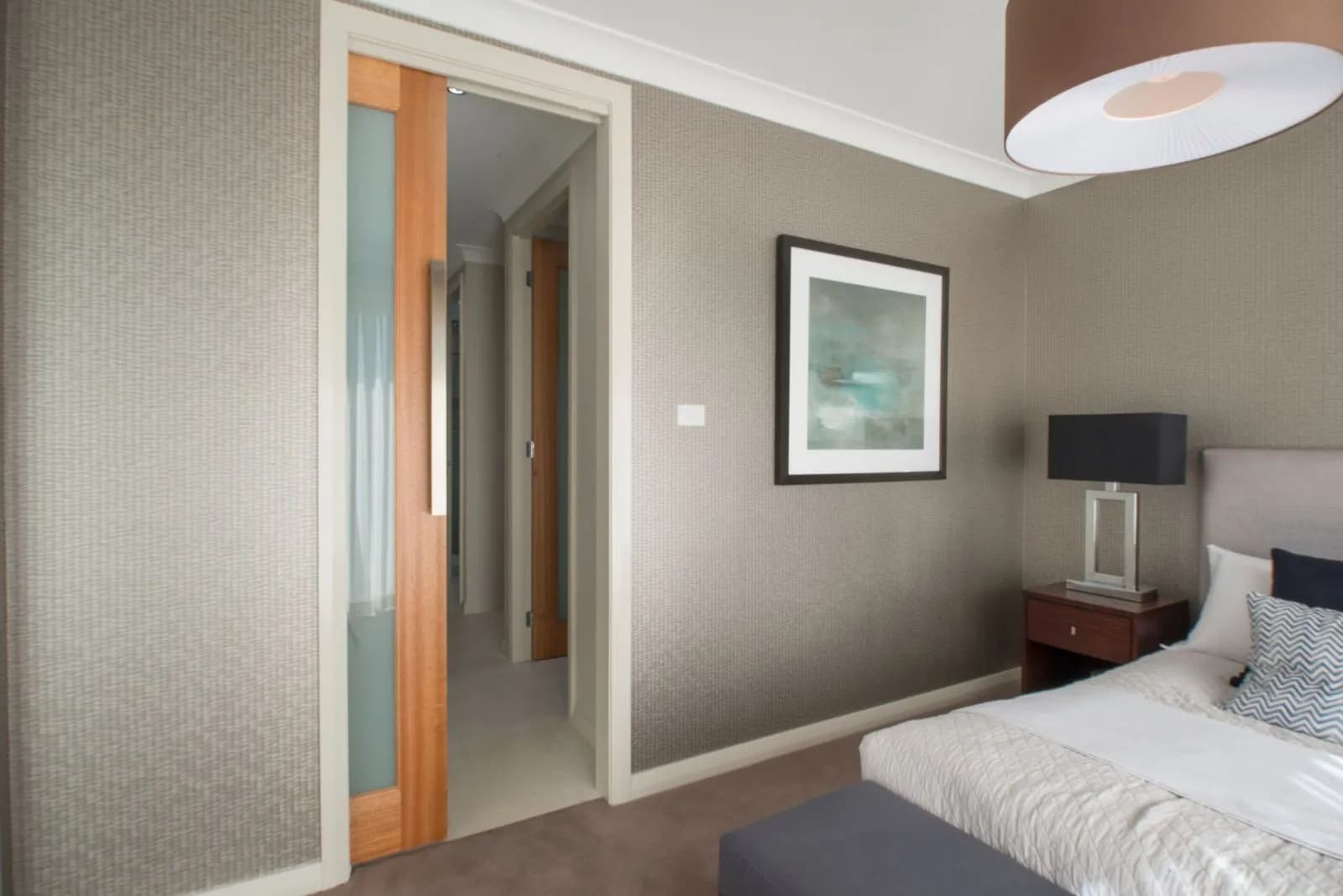
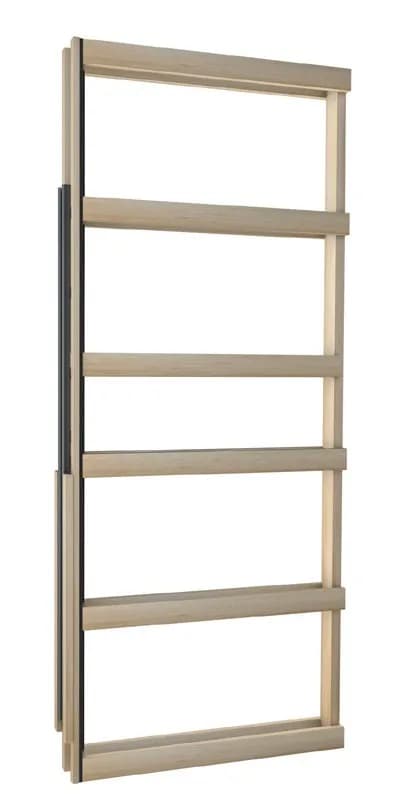
The two parts of a pocket door
The cavity unit is the slim timber or steel frame built into the wall, forming the pocket and carrying the overhead track. Hume's Evolution range covers a standard timber unit, the Complete with one-touch release and soft closer, and a galvanised steel unit for tiled wet areas. The door is a normal 35mm internal door, up to 70kg, hung from the track. You can buy both together, or either one on its own.
Prices, sizes and every option live on our cavity slider page, where the configurator shows Hume RRP as you pick.
Need a door for an existing pocket door?
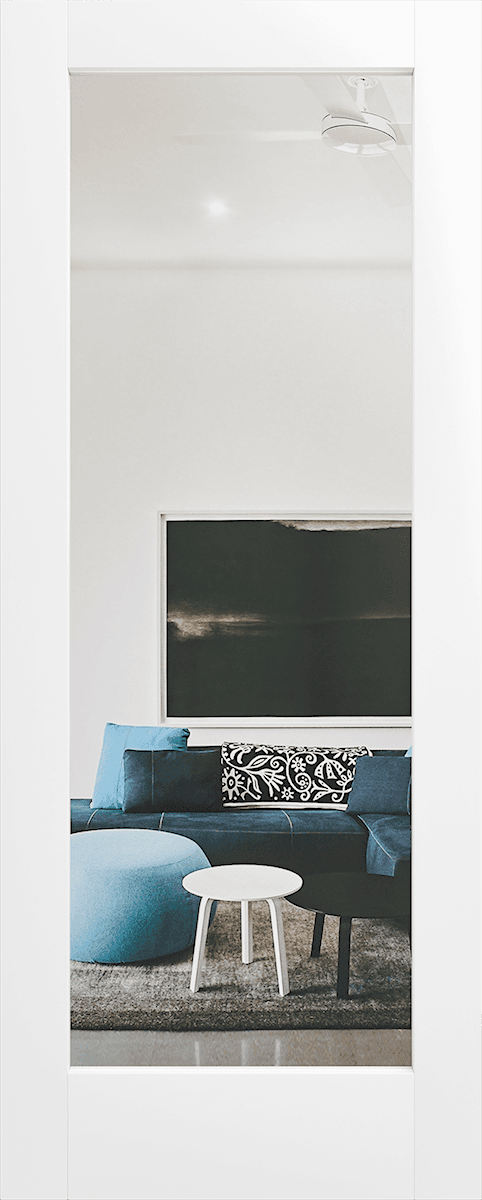
The most common pocket door question: the frame and track are fine, the door is not. The sliding leaf is a standard door slab, so replacing it is easy: measure the old door (height down the edge, width across the middle, 35mm thick) and pick any internal door in that size. Popular picks:



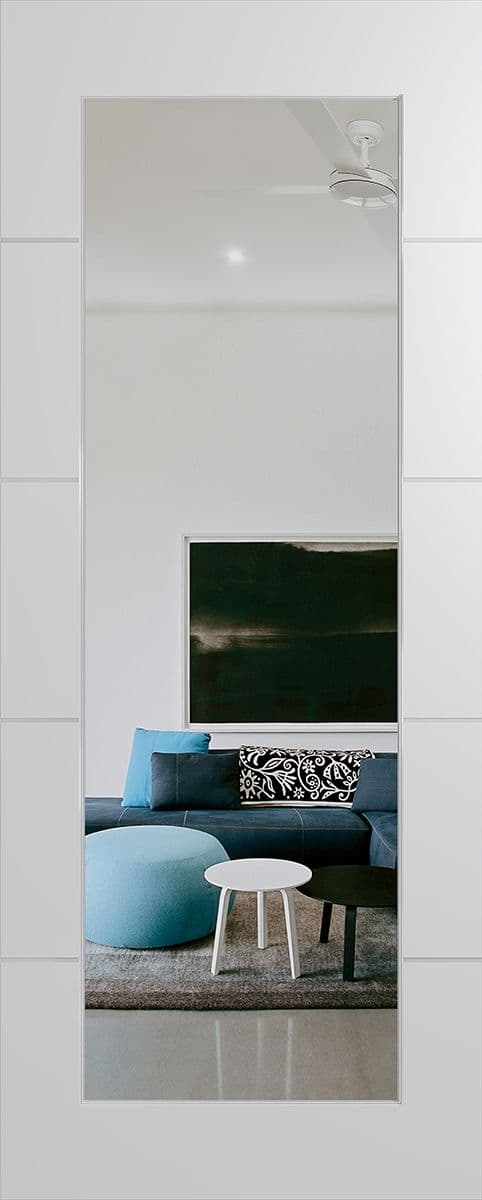

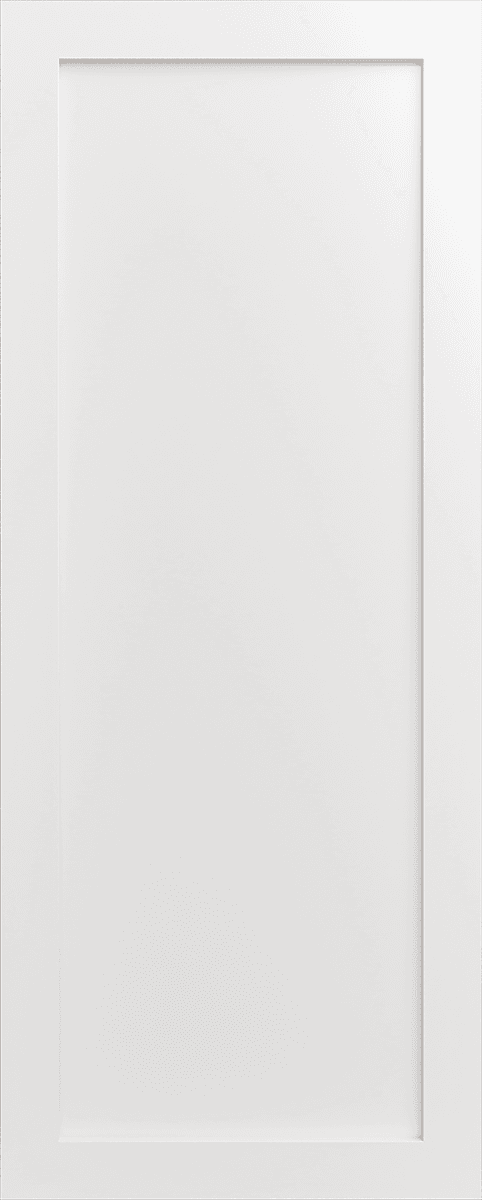

Not sure of the size? Our door sizes guide covers every standard Australian size and how to measure.
Wall opening sizes
In SA the framing opening is the door height plus 80mm, and twice the door width plus 10mm for a flush pull or plus 60mm for a flush jamb. So a standard 2040x820 door needs an opening about 1650 to 1700mm wide and 2120mm high, and a 720mm door about 1450 to 1500mm wide. The calculator on the cavity slider page works it out live for any size, including doubles.
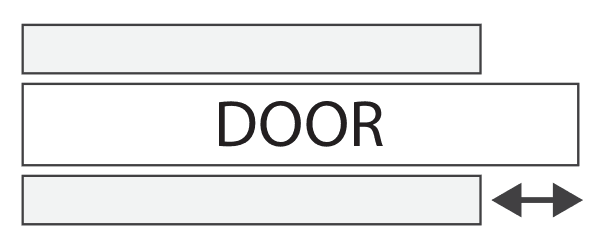
Flush pull
Opening width = 2 × door + 10mm. The door sits proud about 50mm.
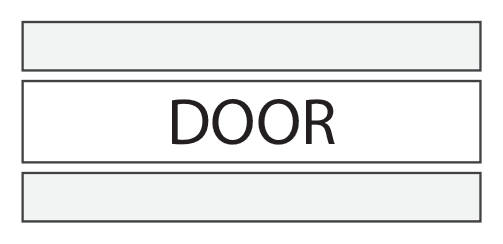
Flush jamb
Opening width = 2 × door + 60mm. The door closes flush with the jamb.
Handles, locks and soft close
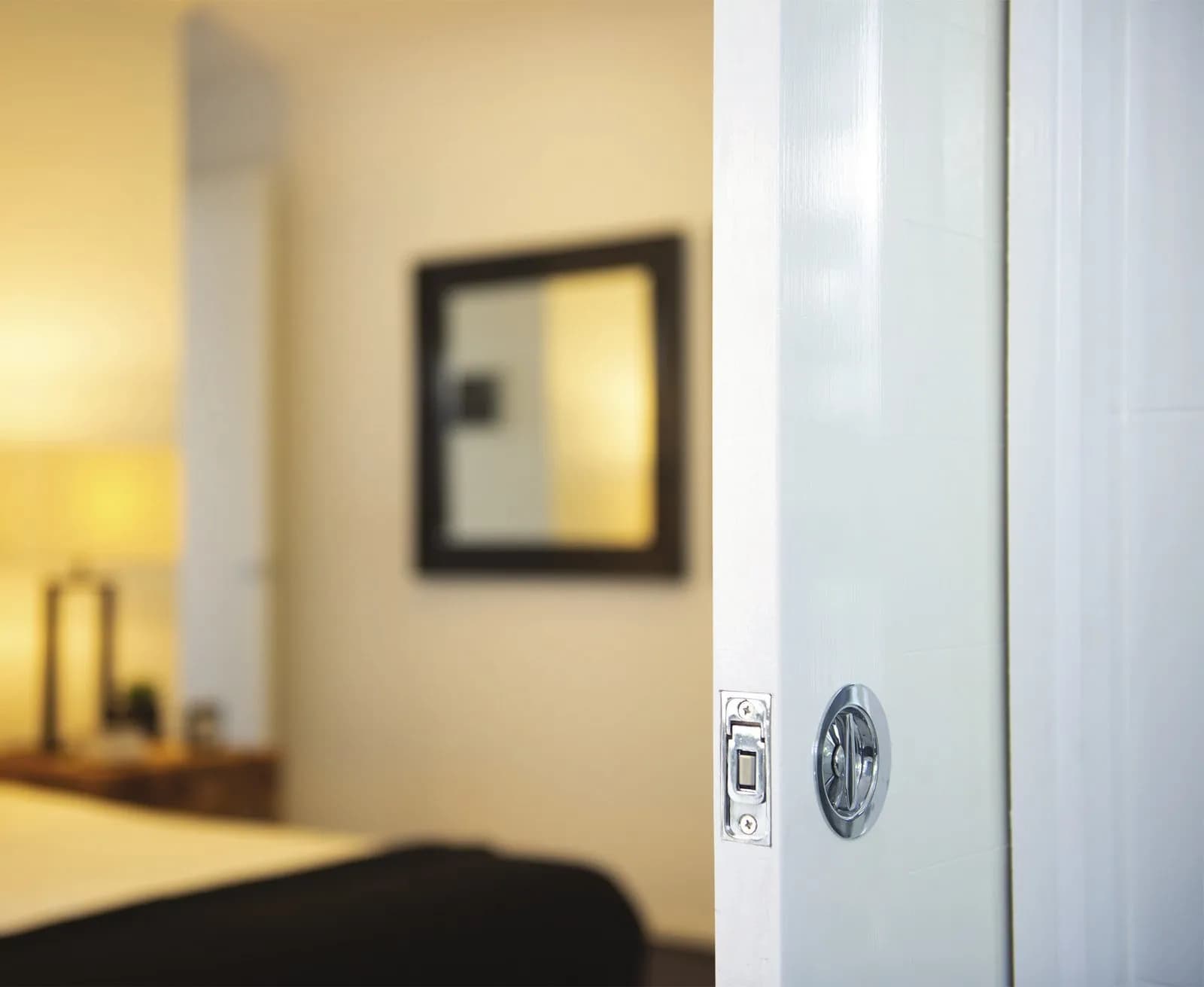
Pocket doors use flush-fitting hardware so the door can disappear completely: a recessed flush pull in the door face, an edge pull on the leading edge, and lockable privacy sets for bathrooms. Hume's Flush Jamb Complete unit builds the one-touch release in, so a push pops the flush door out of the pocket, and its soft closer eases the door home. On the standard unit, a soft closer is an easy add-on for doors up to 35kg.

Installing a pocket door
The cavity unit goes in while the wall is open, during a build or renovation. We host Hume's official step-by-step instructions for every unit, including tiled wet areas and the soft closer retrofit, on our installation guides.
Pocket door FAQs
Is a pocket door the same as a cavity slider?+
Yes. Pocket door is the international name; in Australia the trade calls the same thing a cavity slider or cavity sliding door. The pocket built into the wall is the cavity unit, and the door that slides into it is a standard door slab.
Can I buy just the door for an existing pocket door?+
Yes. The sliding leaf is a normal internal door, so if your pocket frame and track are in good shape you only need a new 35mm door in the right size, plus flush-fitting hardware. Any of our Hume internal doors up to 70kg can be the leaf.
What size is a standard pocket door?+
The most common size matches the standard Australian internal door: 2040mm high and 720mm or 820mm wide, 35mm thick. Cavity units are made for doors from 620mm to 920mm wide at 2040mm height, with 2340mm-high and custom sizes to 2400x1200mm made to order.
What wall opening does a pocket door need?+
In SA the framing opening height is the door height plus 80mm. The width is twice the door width plus 10mm for a flush pull finish, or plus 60mm for a flush jamb. A 720mm door needs roughly a 1450 to 1500mm wide by 2120mm high opening; the calculator on our cavity slider page works it out for any size.
Can you lock a pocket door?+
Yes. Lockable flush privacy sets are made for cavity doors, commonly used on bathrooms and ensuites. Because the door slides into the wall, the hardware is flush-fitting: a recessed flush pull, an edge pull on the leading edge, and a privacy latch that engages the split jamb.
Can a pocket door be installed in an existing wall?+
The cavity unit needs the wall opened up, since the pocket sits inside the wall frame. It is straightforward during a renovation when the plasterboard is off, and not practical in a finished wall you do not want to open. The wall section holding the pocket cannot carry plumbing or power.
Do pocket doors get soft close?+
Yes. The Hume Evolution Complete unit includes a soft closer and one-touch release, and a soft closer can be added to the standard unit as an accessory. The soft closer suits doors up to 35kg.
Who supplies pocket doors and cavity units in Adelaide?
Allmat. Hume cavity units in every stud size, with the door, jamb, pull and soft closer, are available to order for builders and trade across Adelaide and South Australia, picked and packed for collection or delivered to site.
Ready to build yours?
Pick the unit, finish, size and stud in the configurator and see Hume RRP as you go. Supplied by Allmat across Adelaide and SA.
Build your cavity slider