
PVC vs Composite
PVC vs Composite Decking: What Is the Difference?
When you move away from timber decking, you land on two main choices: PVC and composite. They look similar on a sample board but they are made differently, and that changes how they cost, look and perform. Here is a straight comparison so you can pick the right one, without the sales spin.
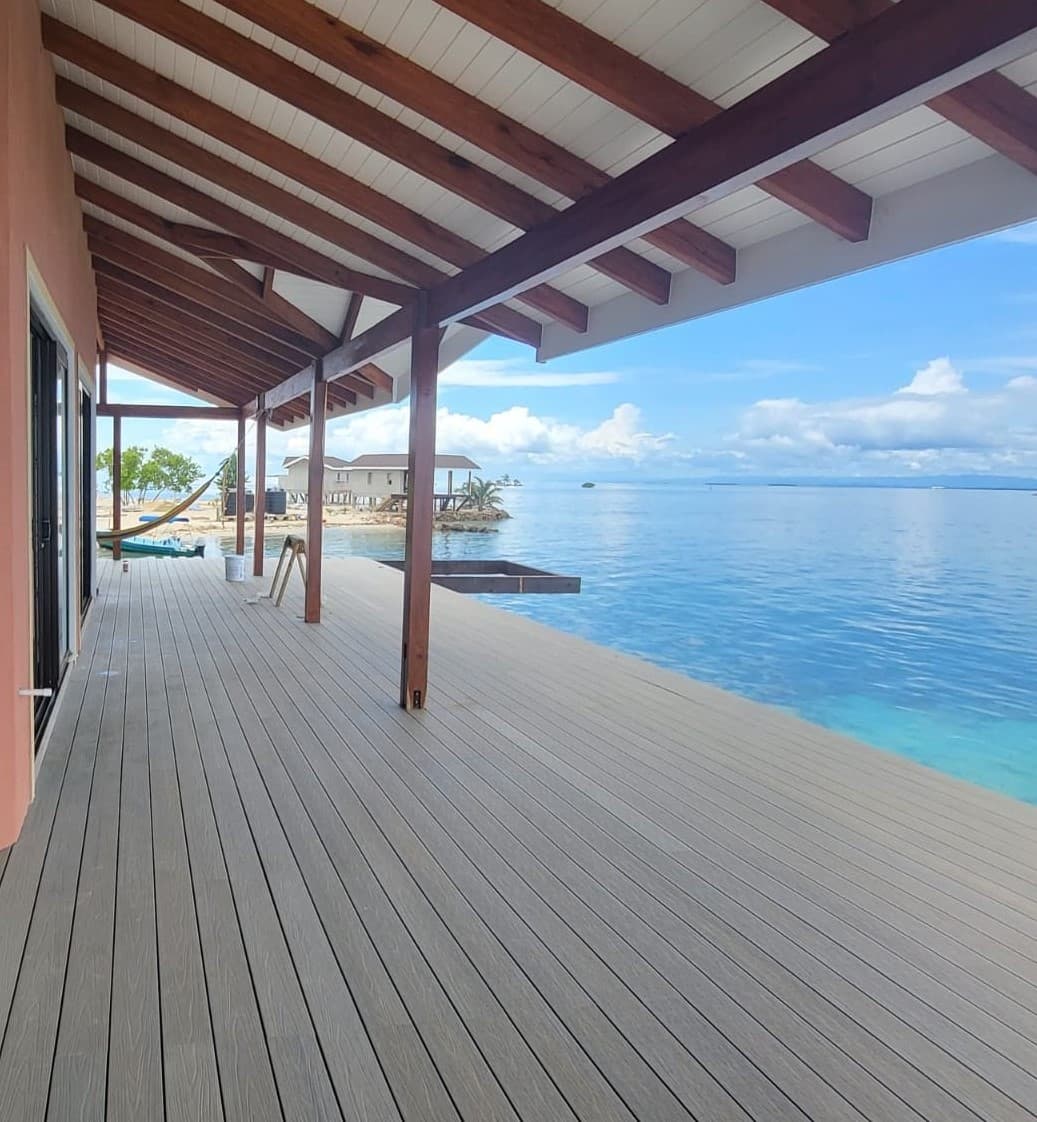
What each one actually is
PVC decking is made entirely from plastic (polyvinyl chloride). There is no wood in it at all. That makes it light, and because there are no wood fibres to absorb water, it is very moisture resistant.
Composite decking is a blend of wood fibres and recycled plastic. The wood content gives it a more natural timber look and feel, and the recycled content gives it a sustainability edge. Composite comes in uncapped and capped versions, and the capped ones add a polymer shell that brings the moisture resistance much closer to PVC.
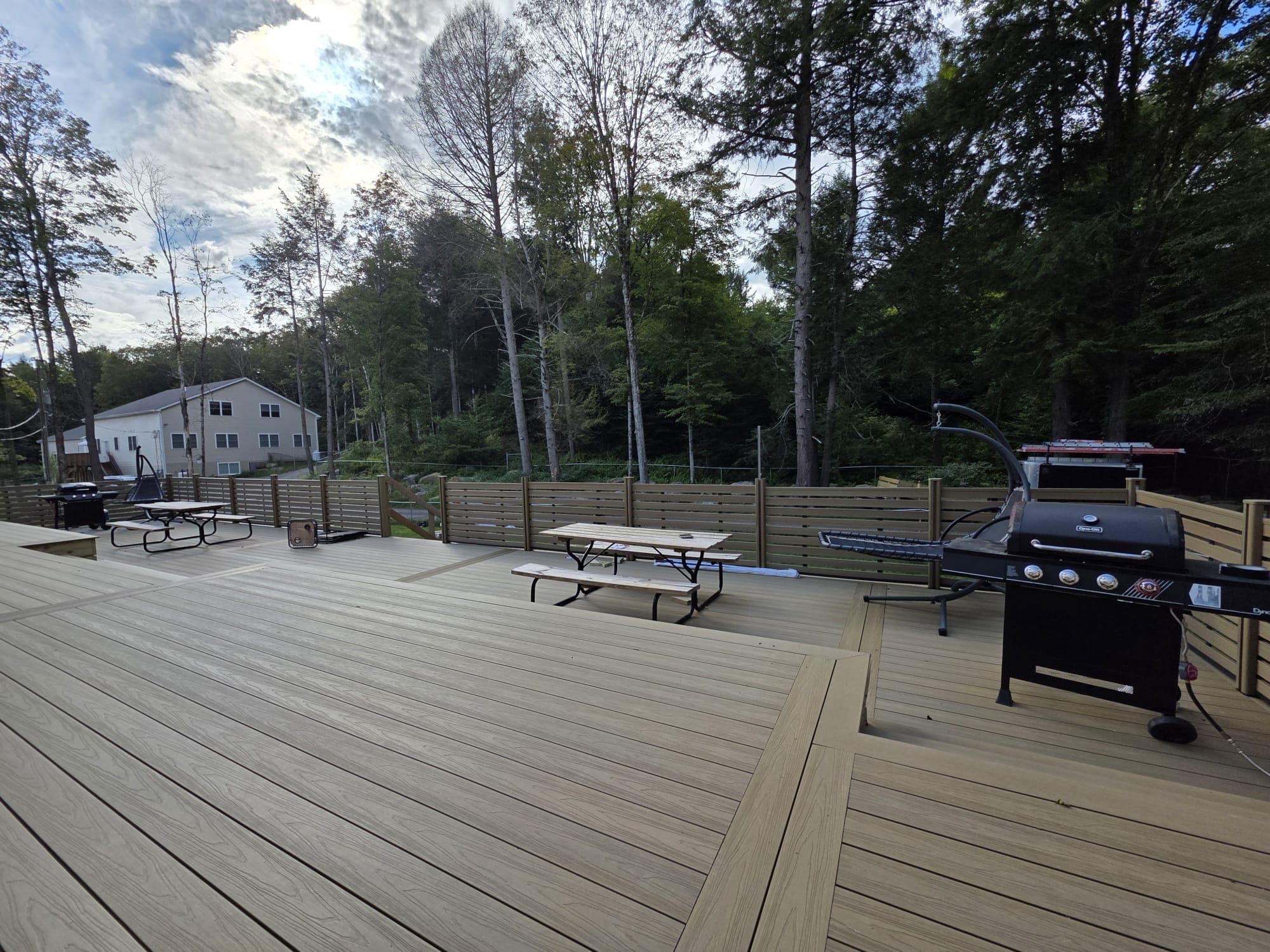
How they compare
Look and feel: Composite wins on natural timber appearance and warmth underfoot. PVC can look a touch more plastic, though good PVC is convincing.
Water resistance: PVC is the most water resistant because it is all plastic. Uncapped composite is the weakest here; capped composite is very good and suits almost all decks.
Cost: Composite is usually more affordable up front. PVC carries a higher price for its all-plastic durability.
Durability and lifespan: Both last decades and both far outlast a timber deck. A quality capped composite, with its protective shell keeping moisture out of the core, is a genuine long-term board, and the quality of the product matters more here than the material itself.
Weight: PVC is lighter and can be a little easier to handle. Composite is heavier and feels more solid underfoot.
Sustainability: Composite uses recycled wood and plastic, which gives it the greener story.
So which should you choose?
It comes down to the deck and the priority:
Choose PVC if the deck lives in the toughest wet conditions, right by a pool or the coast, and long-term water resistance outranks cost and the timber look.
Choose capped composite if you want a natural timber appearance and great value with excellent, low-maintenance performance for the vast majority of decks. For most people building a normal backyard or entertaining deck, this is the sweet spot.
That is the tier Allmat supplies: MexyTech Suprotect is a capped, co-extruded composite that gives you the timber look, strong moisture and UV resistance, and keen value. If you are still weighing composite brands, our composite decking comparison guide lays them out.

Where Allmat fits in
Allmat supplies MexyTech Suprotect capped composite decking and wall cladding across Adelaide and South Australia, and Australia-wide, to installers and resellers. Tell us about your deck, including where it is and how wet it gets, and we will point you to the right board and quote it.
PVC vs Composite FAQs
PVC decking is made entirely from plastic (polyvinyl chloride) with no wood in it. Composite decking is a mix of wood fibres and recycled plastic. That difference drives everything else: PVC is lighter and very water resistant, while composite has a more natural timber look and is usually better value.
Neither is simply better; they suit different priorities. PVC is lighter, extremely water resistant and very long lived, which suits pools and coastal or constantly wet areas, but it costs more and looks a little less like real timber. Composite gives a more natural timber look and better value, and a good capped composite resists moisture and fading very well. For most decks that want the timber look without the upkeep, capped composite is the sweet spot.
Uncapped composite can absorb some moisture through its exposed wood fibres. Capped composite, like MexyTech Suprotect, has a polymer shell bonded over the top and sides that greatly reduces water absorption, independently tested by Intertek at just 0.48%, and closes much of the gap with PVC, while keeping the natural timber look and better value.
Both are built to last decades, and it is more debated than the marketing on either side suggests. PVC is all plastic, while a quality capped composite has a protective shell that keeps moisture out of the core and typically carries a long warranty. In practice the quality of the board matters more than the material, and a good capped composite is every bit a long-term deck. Both far outlast a timber deck with far less maintenance.
From Allmat. We supply MexyTech Suprotect capped composite decking and wall cladding across Adelaide and South Australia, and Australia-wide. Send us your deck size and a colour and we will quote it.
Get a Composite Decking Quote
Send us your deck size and a colour and we will quote MexyTech Suprotect capped composite, ready for collection or delivery.